
Electro, sometimes called electro-funk, is the drum-machine genre that grew out of "Planet Rock" in 1982: funk rhythm rebuilt on a Roland TR-808, robot voices through a vocoder, and a beat that is deliberately not four-on-the-floor. It fed early hip-hop and breakdancing, fed into Detroit techno, and has been revived several times since.
The name causes a lot of confusion, because three different things share it. This guide covers what electro actually is, where it came from, how to hear it, and how it differs from electronic music in general and from electro house. To check a track yourself, drop a few seconds into our free AI music genre detector.
What Is Electro?
Electro is electronic dance music at 110–130 BPM built on a syncopated, broken drum-machine pattern instead of a steady four-on-the-floor pulse. The signature kit is the Roland TR-808: a long, booming kick that can ring out like a bass note, a sharp rimshot or snare on the backbeat, and hi-hats and cowbell filling the gaps. Melodic material is synthetic and often minimal, and voices, when there are any, go through a vocoder or talkbox until they sound like machines.
The genre's defining trait is rhythmic. House and techno put a kick on every beat; electro splits the bar into a funk pattern with the kick landing off the pulse. That is why electro records swing and lurch where four-on-the-floor records march. The rhythm comes from funk drumming, reprogrammed for a machine.
Three genres share the word "electro," and only one of them is this one:
- Electro: the 1982 TR-808 genre described here.
- Electronic: the umbrella term for all electronically produced music. It names a whole field, not a style.
- Electro house: a mid-2000s four-on-the-floor house style with sawtooth basslines (Justice, deadmau5). Related only by name.
History & Origins
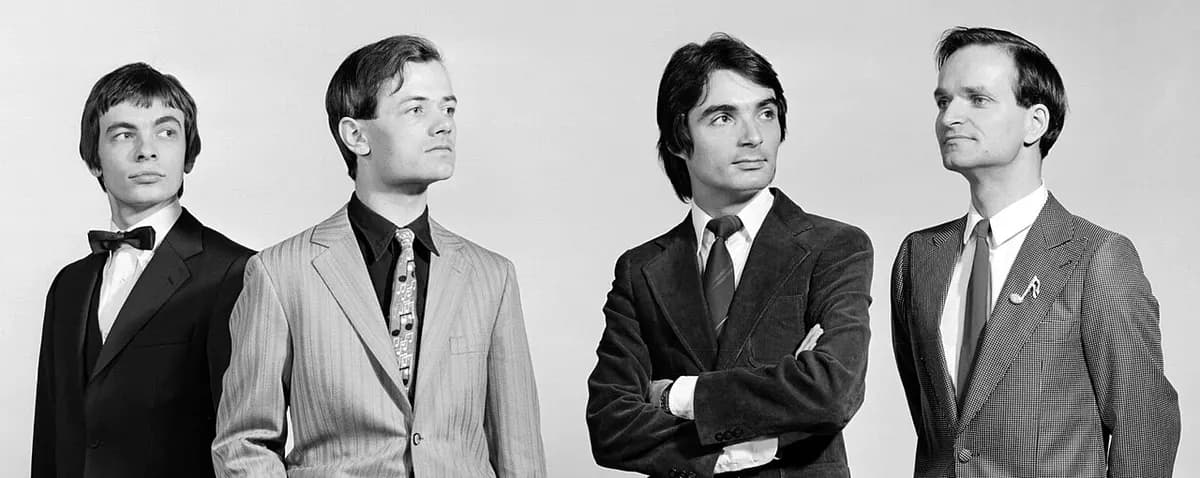
The genre has a precise starting point. In 1982, Afrika Bambaataa & the Soulsonic Force released "Planet Rock" on Tommy Boy, produced by Arthur Baker with keyboardist John Robie. It lifted the melody of Kraftwerk's "Trans-Europe Express," the rhythm of their "Numbers," and put both on a TR-808 with rapped and vocoded vocals. It reached No. 4 on Billboard's R&B chart, was certified gold, and set a template: European electronic pop rebuilt by Black American funk musicians.
A wave followed within two years: Man Parrish's "Hip Hop, Be Bop" (1982), Hashim's "Al-Naafiysh (The Soul)" (1983), Cybotron's "Clear" (1983) from Detroit, Newcleus's "Jam on It" (1984), and the Los Angeles records of Egyptian Lover and the World Class Wreckin' Cru. In Britain the Street Sounds Electro compilations, running from 1983, made the sound a scene. Electro was the music of early breakdancing and B-boy culture, and the dance and the drum pattern spread together.
By 1986 hip-hop had moved to samplers and harder breaks, and electro fragmented into regional descendants: Miami bass took the 808 sub-bass to extremes, Detroit producers folded it into the new techno, and Europe kept the beat alive in body music and early rave.
Electro's longest-lasting second life came from Detroit. Drexciya, the duo of James Stinson and Gerald Donald, turned electro into concept work from 1992 onwards, building an underwater mythology around the Middle Passage across a decade of records. Their sound became the reference for a whole modern strand: Dopplereffekt, Anthony Rother, DJ Stingray, and later Helena Hauff, Umwelt, and the labels that reissued the originals.
A separate revival, electroclash, arrived around 2001 with Miss Kittin, Fischerspooner, and Adult. It was punkier and more vocal, and it looked to new wave more than to funk. It burned out fast but returned the word "electro" to mainstream press, which is where much of the naming confusion begins.
Key Characteristics & Sound
How to recognise electro in a few bars:
- Tempo: 110–130 BPM; classic records cluster around 115–125, modern Detroit-facing electro reaches 135–145.
- Rhythm: syncopated and broken, with no steady kick on every beat. This is the most reliable identifier.
- Drums: TR-808 above all: long tuned kick, rimshot, handclap, cowbell, open hats.
- Bass: often the long-decay kick itself; otherwise a short synth bass locked to the pattern.
- Melody: sparse synth lines, arpeggios, and stabs, closer to a riff than a chord progression.
- Voice: vocoder, talkbox, or robot-styled processing; frequently no voice at all.
- Mood: science-fiction futurism about machines, space, cybernetics and, in Drexciya's case, the deep sea.
Set against the styles it is most often mistaken for:
| Trait | Electro | Techno | Electro House | Miami Bass |
|---|---|---|---|---|
| Era | 1982–present | 1985–present | 2005–2012 | 1985–1995 |
| Kick pattern | Syncopated / broken | Four-on-the-floor | Four-on-the-floor | Syncopated |
| Tempo | 110–130 BPM | 125–150 BPM | 125–130 BPM | 125–145 BPM |
| Core machine | TR-808 | TR-909 | Software synths | TR-808 |
| Bass | Long-decay 808 kick | Sub or synth pulse | Distorted sawtooth | Extreme sub-bass |
| Vocals | Vocoder / talkbox | Rare | Chopped hooks | Rapped, explicit |
Instruments & Production
In electro the equipment list goes a long way toward defining the genre:
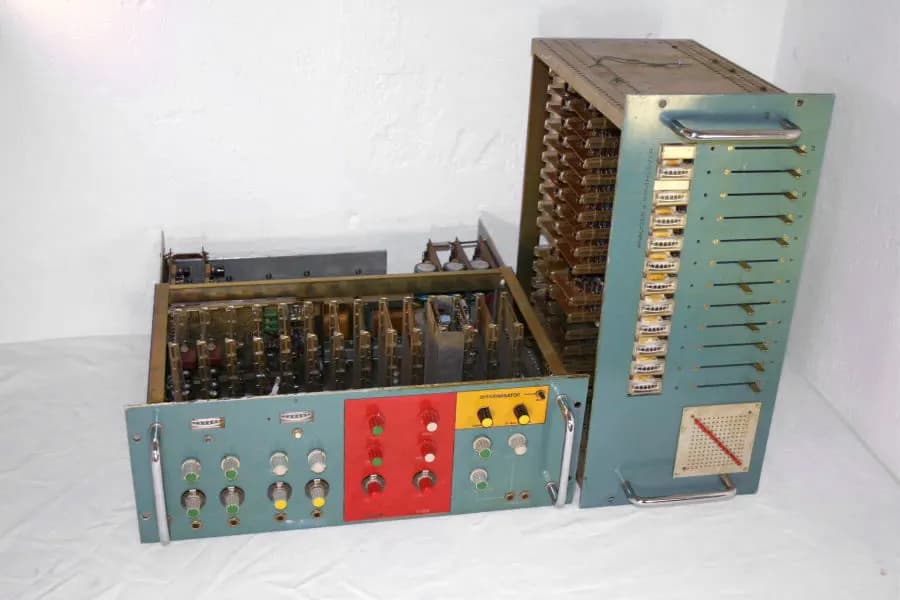
- Roland TR-808: the genre's voice. Its kick has a decay control that lets it ring for a long time, so in electro the drum and the bassline are often the same part.
- Roland TR-909 and TR-707: used by later and harder producers.
- Roland TB-303: appears occasionally, though it belongs more to acid house.
- Vocoders and talkboxes: Roland VP-330, Korg VC-10, the Electro-Harmonix Golden Throat.
- Synthesizers: Roland Juno and SH-101, Yamaha DX7, Moog basses; later, Elektron machines.
- Arrangement: loop-based and short. The original records were 12-inch singles made for DJs and breakers.
Production is dry and forward. Reverb is used sparingly, the drum machine sits at the front of the mix, and the stereo image stays narrow. Modern electro keeps that aesthetic on purpose: many producers still record hardware live, and some current records would pass for 1984 apart from their deeper low end.
Subgenres & Descendants
The family that grew from the 808 beat:
- Electro-funk: the original 1982–85 form, closest to funk and early rap.
- Miami bass: Florida's sub-bass extreme, and a direct ancestor of much southern hip-hop.
- Detroit electro: Drexciya, Dopplereffekt, Aux 88; conceptual, aquatic, sci-fi.
- Freestyle and electro-bass: the melodic, vocal-led offshoot of the mid-1980s, strongest in Latin communities in New York and Miami.
- Electroclash: the 2001 new-wave revival (Miss Kittin, Fischerspooner).
- Modern electro: Helena Hauff, DJ Stingray, Umwelt; faster, harder, club-oriented.
- Breakbeat: the neighbouring broken-rhythm family, built mostly on sampled drum breaks.
Notable Artists & Tracks
Where to start:
- Afrika Bambaataa & Soulsonic Force: "Planet Rock" (1982).
- Hashim: "Al-Naafiysh (The Soul)" (1983).
- Cybotron: "Clear" (1983).
- Newcleus: "Jam on It" (1984).
- Egyptian Lover: "Egypt, Egypt" (1984).
- Man Parrish: "Hip Hop, Be Bop (Don't Stop)" (1982).
- Drexciya: Neptune's Lair (1999), the Bubble Metropolis EP (1993).
- Dopplereffekt: "Cellular Phone" (1995), collected on Gesamtkunstwerk (1999).
- Anthony Rother: Sex with the Machines (1997).
- Helena Hauff: Qualm (2018).
Three records tell the story: "Planet Rock" for the invention, "Clear" for the Detroit turn, Neptune's Lair for what the genre became when it stopped being pop.
How AI Detects Electro
Electro is fairly easy for a classifier to read, because its rhythm is unusual. Onset detection sees a broken pattern instead of an even pulse, and the TR-808 kick has a distinctive spectral signature: a long, pitched sine decay that no acoustic drum produces. Vocoded vocals add another strong cue. Together these usually separate electro from four-on-the-floor styles cleanly.
The failure mode is the name, not the sound. Because "electro" labels three different things in everyday use, training data and metadata are contaminated: records tagged electro in a catalogue may be electro house or generic electronic music. Expect techno, electronic, and hip-hop nearby in the alternatives. The last of those is historically accurate, since early electro and early rap were the same records. Test it in the Genre AI music genre detector.
Testing this style in Genre AI ourselves, Electro behaves like a rhythm problem more than a timbre problem. Classic 808 records with vocoder read confidently as electronic with hip-hop close behind, which matches how record shops filed them in 1983. Straighten the kick to four-on-the-floor and the label snaps to Techno immediately; keep the syncopation but push past 140 BPM and Breakbeat and Drum and Bass start climbing. The model is reading the kick placement first and the machine timbre second, which is roughly what a DJ does.