
Afro house is a percussion-driven style of house music that combines the four-on-the-floor pulse of house with African rhythms, chants, and acoustic instruments. It typically runs between 110 and 125 BPM and is built around rolling congas, marimba-like melodies, and looped vocal phrases, often sung in Zulu or other South African languages.
This guide covers what afro house is, how it grew out of the South African house scene, the instruments and rhythms behind its sound, its main subgenres, and the artists who took it to clubs in Europe and the US. Want to know whether the groove you're hearing is afro house, amapiano, or deep house? Play a clip into our free AI music genre detector and it will read the percussion and tempo for you.
What Is Afro House?
Afro house is a subgenre of house that puts African percussion and vocal styles inside the standard four-on-the-floor framework. A typical house track leans on drum machines and disco samples; afro house puts live-sounding congas, shakers, djembe, and marimba up front, layered with call-and-response chants and vocals that often switch between languages. Small timing shifts in the percussion keep the groove loose.
Unlike deep house, which is smooth and chord-led, afro house is rhythm-led: the percussion carries much of the melody, and the arrangement builds by stacking percussion layers, usually without big synth drops. It is also distinct from amapiano, a related South African style that is slower and defined by the deep, bouncing "log drum" bass. Afro house sits at the more danceable, house-tempo end of that family.
History & Origins
Afro house grew out of South Africa's house scene in the 2000s. House had been popular in the townships since the late 1980s and fed into kwaito in the 1990s; in the 2000s local producers added indigenous percussion and Zulu, Xhosa, and Sotho vocals to the four-on-the-floor sound. Johannesburg, Durban, and Pretoria were the main centres.
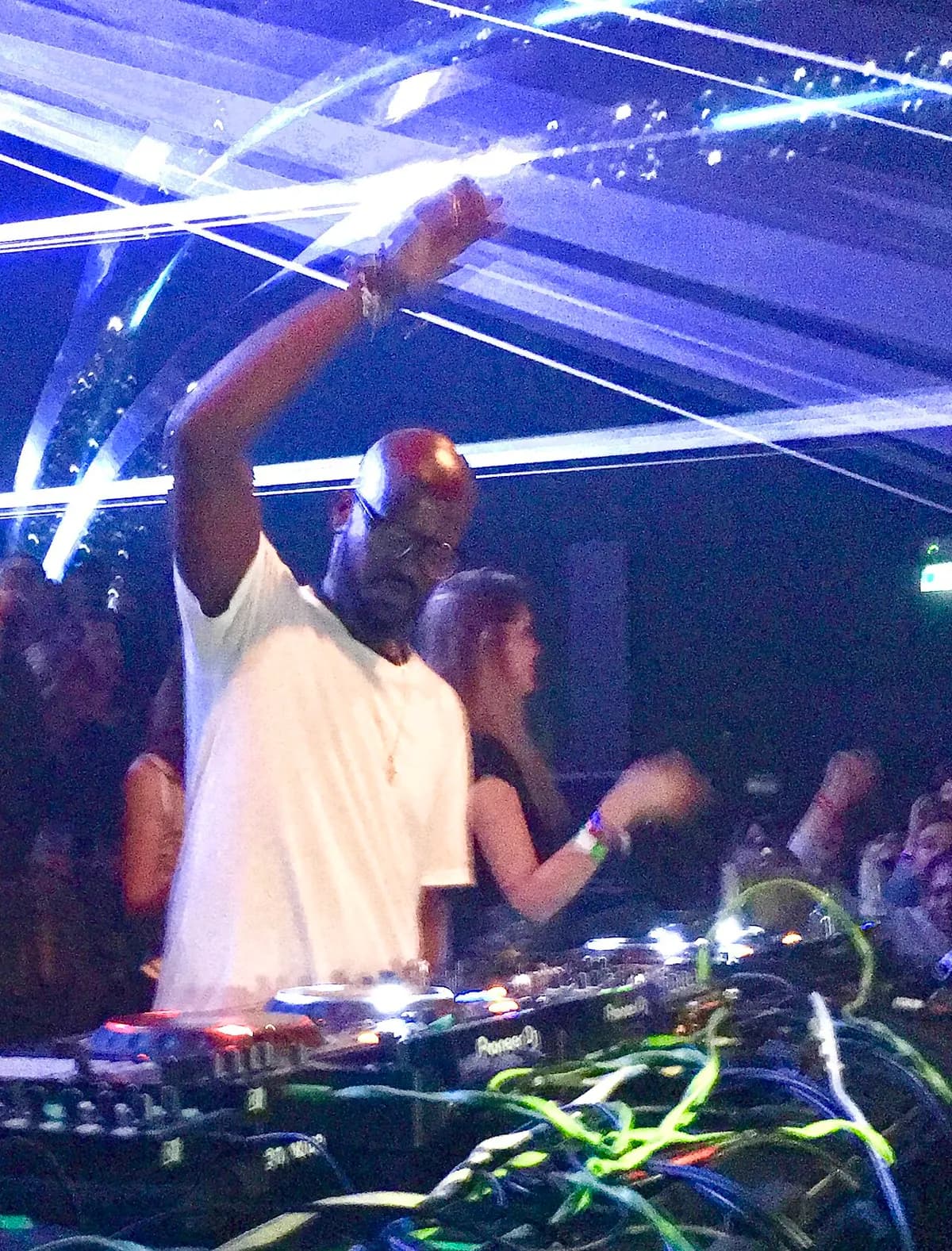
The best-known figure is Black Coffee, the Durban-born DJ and producer. He founded the label Soulistic Music, became the first resident of Hï Ibiza when the club opened in 2017, and in 2022 won the Grammy for Best Dance/Electronic Album with Subconsciously. Culoe De Song (an early Soulistic signing who moved to the German label Innervisions), Da Capo, and Shimza built international careers in the same years.
Through the late 2010s and 2020s, afro house mixed with European scenes: the Berlin collective Keinemusik (Adam Port, &ME, Rampa) and South African artists like Themba and Caiiro played a darker, deeper version at festivals in Europe and the US. Beatport added an Afro House category in 2017 and gave the younger amapiano its own category in 2022. We follow the current scene in Afro House: The Sound of 2026.
Key Characteristics & Sound
Afro house is recognisable by its organic, percussive feel. Typical traits include:
- Tempo: generally 110–125 BPM, with much of the modern sound sitting around 118–122.
- Percussion: layered congas, bongos, shakers, djembe, and hand drums creating rolling polyrhythms; this is the core of the genre.
- Melody: marimba, kalimba, and mbira-style plucked patterns; big synth leads are rare.
- Vocals: chants, call-and-response, and soulful multilingual singing, often looped hypnotically.
- Bassline: deep, rolling, and warm, supporting the groove without dominating it.
- Atmosphere: repetitive and slow to change, built for long DJ sets.
If a house track leans on layered hand percussion and chanted vocals, with no piano stabs or synth drops, you are probably hearing afro house. Tempo and feel shift by strain:
| Strain | Typical BPM | Feel |
|---|---|---|
| Afro House (classic) | 118–124 | Tribal, soulful, hypnotic |
| Afro Tech | 120–126 | Darker, tougher, club-focused |
| Afro / Organic House | 112–120 | Warm, live-instrument, melodic |
| Amapiano (neighbour) | 108–118 | Slower, log-drum-led, bouncy |
Instruments & Production
Afro house blends organic, live-sounding sources with electronic production. Its signature palette includes:
- Hand percussion: congas, bongos, djembe, shakers, and talking drums, sampled or played, layered into rolling polyrhythms.
- Tuned percussion: marimba, kalimba, and mbira for the melodic hooks.
- Vocals and chants: field-recording-style group vocals and lead singers, often chopped and looped.
- Drum machines: a house-standard four-on-the-floor kick and hats underpin the organic layers.
- Deep bass and pads: warm sub-bass and long pads that fill the space between percussion hits.
Arrangements build tension by adding and removing percussion layers, with reverb and delay for depth. Most modern afro house is produced entirely in a DAW using sampled acoustic percussion, and producers often leave the percussion slightly off the grid so it sounds played.
Subgenres of Afro House
Afro house has branched into several closely related styles:
- Afro Tech: a darker, harder strain with techno influence, played at peak time in clubs.
- Organic House / Afro-Organic: warmer and more melodic, with live instruments and downtempo textures.
- 3-Step: a South African variant of the 2020s that replaces the four-on-the-floor kick with a three-kick pattern per bar.
- Afro Deep / Soulful Afro: closer to deep house, with fuller chords and more focus on the vocal.
- Amapiano: a related but distinct South African genre, slower and defined by the log-drum bass (see amapiano).
Afro house also connects to the wider afrobeat and Afro-diasporic music family, sharing its rhythmic roots while staying firmly within the house tempo and four-on-the-floor framework.
Notable Artists & Tracks
Leading afro house acts and tracks include:
- Black Coffee: "Superman" (with Bucie), "Drive" (2018, with David Guetta and Delilah Montagu), and the Grammy-winning album Subconsciously.
- Culoe De Song: "Webaba" (with Busi Mhlongo), released on Innervisions in 2010.
- Da Capo: producer from Seshego in Limpopo, known for the Indigo Child albums.
- Themba: South African DJ and producer, a regular at European clubs and festivals.
- Caiiro: "The Akan," a long-running DJ favourite.
- Shimza: DJ and producer from Tembisa whose One Man Show charity event, running since 2009, won Best Festival at the 2019 South African Dance Music Awards.
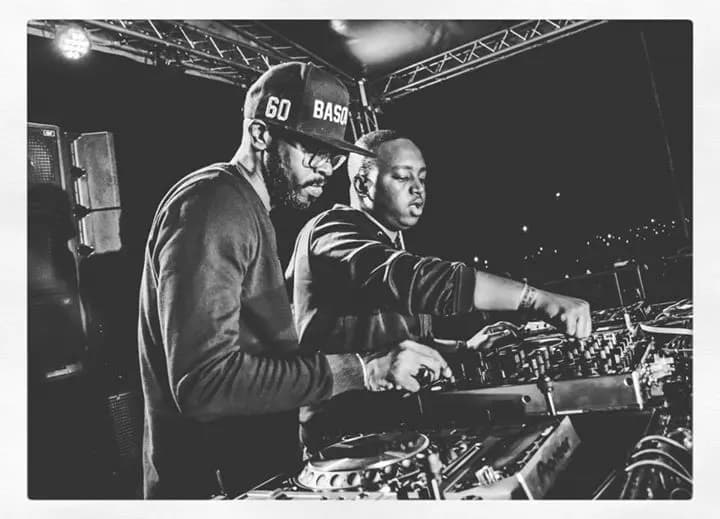
- Keinemusik (&ME, Rampa, Adam Port): the Berlin collective who mixed afro house with European deep house.
Start with "Drive," "Webaba," and "The Akan" to hear the range from slow and spacious to peak-time club tracks.
How AI Detects Afro House
An AI model recognises afro house by combining tempo with texture: the 110–125 BPM four-on-the-floor kick, dense layers of hand percussion and rolling polyrhythms, marimba or kalimba melodic hooks, and chanted, multilingual vocals. Because afro house shares roots with amapiano, deep house, and the broader afrobeat family, the detector weighs these signals together and returns a set of probabilities; the hand percussion and mid-tempo groove tip the balance toward afro house.
Try it yourself: open the Genre AI music genre detector, give it a few seconds of audio, and it will tell a tribal afro house roller apart from a slower, log-drum amapiano cut. For the theory behind that call, read our explainer on how AI music genre detection works.
From the clips we have run through Genre AI, the clearest Afro House readings come from a four-on-the-floor kick in the 112–124 BPM band buried under layered congas, shakers, and chanted vocals, with marimba-style plucks carrying the hook. Slow it down and add a bouncing log-drum bass and the model leans toward Amapiano; smooth the percussion into lush chords and it edges to Deep House; strip the four-on-the-floor entirely and Afrobeat creeps up the list. Those near-neighbour scores ride right alongside the top result.