TL;DR. Trance is melodic, emotional and euphoric, built around soaring synth leads, long breakdowns and a climactic release. Techno is stripped-back, hypnotic and machine-driven, built around a relentless kick, rhythm and texture rather than big melodies. Trance takes you on an emotional journey with a peak; techno locks you into a hypnotic loop with no fireworks. Same broad family, opposite philosophies.
Trance vs techno: the short version
Both trance and techno are pillars of the wider electronic dance world, both emerged around the same era, and both use a steady four-on-the-floor kick, so beginners lump them together. But their core intentions are almost opposite.
Trance is emotional and melodic. It is engineered to make you feel: sweeping synth leads, lush chords, long tension-building breakdowns and a euphoric "hands in the air" climax. Techno is functional and hypnotic. It is engineered to make you lose yourself: a relentless, driving groove built from drums, texture and subtle change rather than big tunes. If trance is a soundtrack to a movie with a clear emotional arc, techno is a hypnotic engine that just keeps rolling. That difference in purpose is the real answer to "trance vs techno."
What is trance?
Trance took shape in Germany in the early 1990s, growing out of techno and house but adding melody, atmosphere and euphoria. Frankfurt was an early hub, and by the late 1990s and 2000s it had become a global stadium sound. The defining feature is the emotional build: a track lays down a driving beat, drops into a long breakdown that strips away the drums and swells with pads and arpeggios, then explodes back in with a soaring, memorable melodic lead. That release is the entire point.
Tempos usually sit between 130 and 140 BPM, a touch faster and more urgent than most techno. Trance is deeply melodic, with major-key uplift, rolling arpeggiated basslines and big, anthemic hooks. Subgenres range from the emotional vocal trance of the 2000s to harder, faster styles and the slower, hypnotic "progressive trance" that overlaps with progressive house. Key artists include Paul van Dyk, Armin van Buuren, Above & Beyond and the classic Tiësto era, all masters of the euphoric breakdown-and-drop formula.
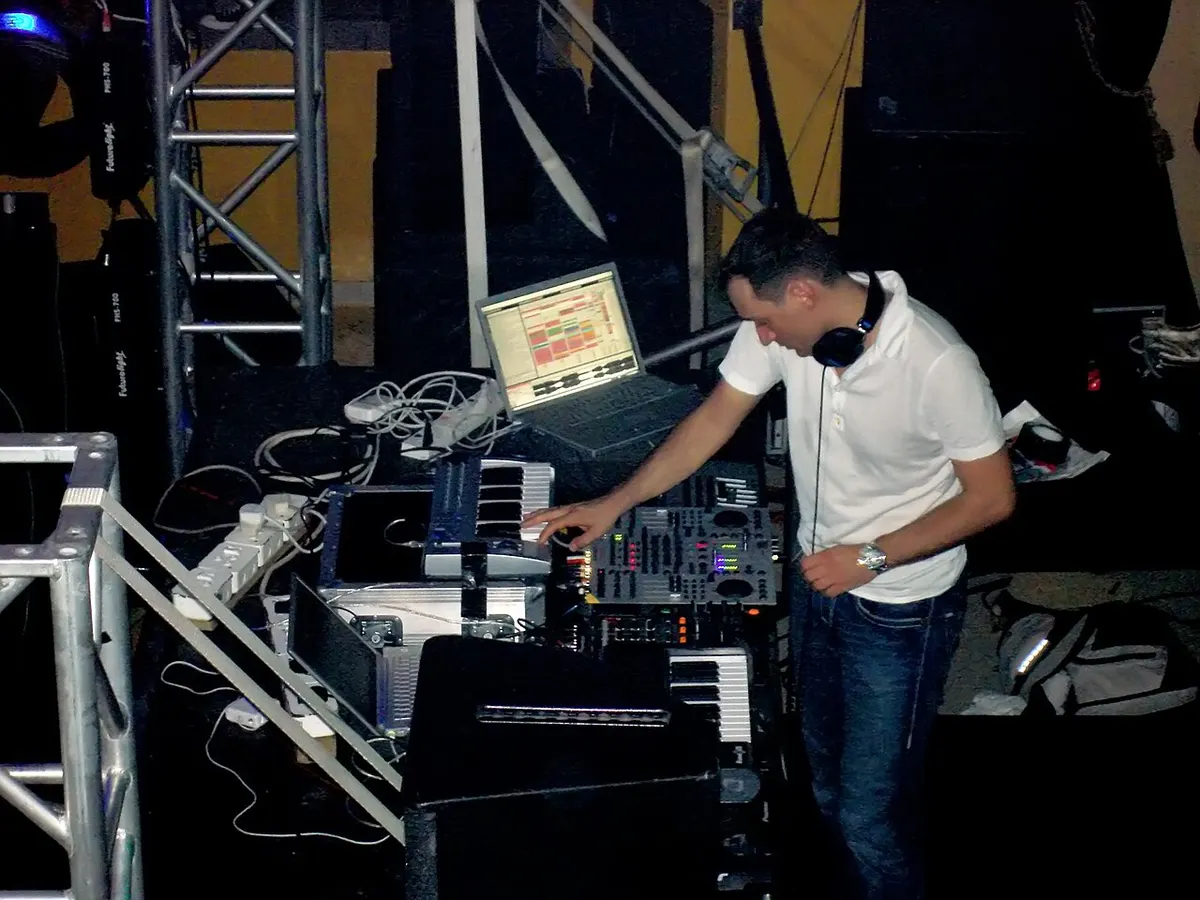
What is techno?
Techno was born in Detroit in the mid-1980s, pioneered by the "Belleville Three", Juan Atkins, Derrick May and Kevin Saunderson, who fused funk, electro and European synth-pop into a futuristic, machine-driven sound. Where trance chases emotion, techno chases hypnosis. The classic techno track is built from a hard, steady kick, tight percussion, and evolving textures and effects, with melody kept minimal or abstract.
Tempos typically run 125 to 135 BPM, though harder and faster strains exist. The magic of techno is repetition and gradual change: a loop rides for minutes while small elements shift, a filter opens, a hi-hat enters, a texture morphs, keeping you locked in a hypnotic state rather than waiting for a payoff. It is DJ-forward, industrial and often dark. Foundational and modern names include Jeff Mills, Robert Hood, Richie Hawtin, and contemporary artists like Charlotte de Witte and Amelie Lens, whose sets prize relentless groove over melodic drama.
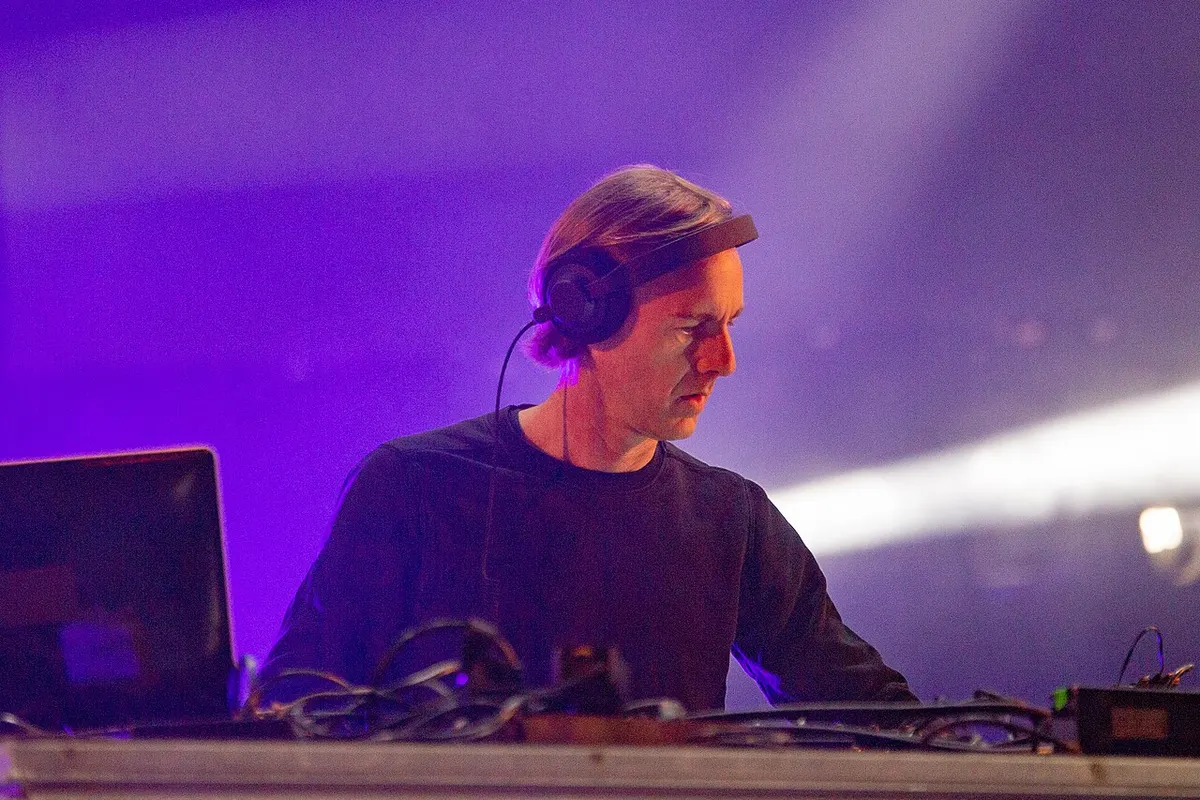
Trance vs techno: side-by-side comparison
The quickest way to internalize the contrast is to line the two genres up across the traits that matter most when you actually listen.
| Trait | Trance | Techno |
|---|---|---|
| Origin | Germany, early 1990s | Detroit, mid-1980s |
| Typical tempo | 130–140 BPM | 125–135 BPM |
| Core focus | Melody and emotional release | Rhythm, texture and hypnosis |
| Structure | Build, long breakdown, euphoric drop | Steady loop with gradual evolution |
| Mood | Euphoric, uplifting, emotional | Hypnotic, driving, often dark |
| Melody | Big soaring synth leads and hooks | Minimal, abstract or absent |
| Key artists | Armin van Buuren, Paul van Dyk, Above & Beyond | Jeff Mills, Charlotte de Witte, Amelie Lens |
How to tell them apart by ear
You do not need to know the BPM to separate these two. You just need to listen for structure and melody. Two quick checks usually settle it within the first minute.
Wait for a breakdown, and listen for a melody
Trance is defined by its arc. If the track strips the drums away into a long, swelling breakdown and then explodes back with a big, soaring melodic lead that gives you goosebumps, you are hearing trance. That euphoric build-and-release is its signature. Techno rarely does this; it tends to keep the kick driving throughout and avoids the dramatic drop-out-and-payoff structure. No big breakdown and no anthemic lead points strongly to techno.
Ask whether it is hypnotic or emotional
Feel the intent. If the track wants to move you emotionally with lush chords, uplifting major-key melodies and a clear peak, that is trance. If it wants to hypnotize you with a relentless, repetitive groove where the pleasure comes from subtle change over time rather than a melodic climax, that is techno. Emotional and melodic leans trance; hypnotic and rhythmic leans techno.
If you would rather skip the guesswork, drop a clip into our AI music genre detector and let our AI model name the subgenre for you in seconds.
Why this matters more in 2026
Genre tags do real work: they route listeners on streaming platforms and shape which playlists a track reaches. Mislabeling a hypnotic techno cut as "trance" sends it to the wrong audience. The pressure grew as AI music flooded catalogs, with Deezer reporting in 2026 that roughly 44% of daily uploads were AI-generated, around 75,000 tracks per day, and generators like Suno's v5 line able to produce convincing "trance" or "techno" on demand.
For anyone releasing tracks, human-made or AI-assisted, distributors like DistroKid require you to pick a genre, and getting trance versus techno right changes where your song lands and who discovers it. Verifying what you actually made, by trained ear or with audio AI, is now a practical part of a smart release.
Which one should you play?
Choose by the emotion you want in the room. If you want euphoria, uplift and a big collective peak, with hands-in-the-air breakdowns and soaring melodies, trance delivers that catharsis. If you want a deep, hypnotic, relentless groove that keeps a dark room locked in for hours without obvious peaks, techno is the tool. Many DJs even blend the two across a night, riding hypnotic techno grooves before lifting the floor with a euphoric trance moment. They are not rivals so much as two different ways to move a crowd.
FAQ
Is trance faster than techno?
Usually, slightly. Trance often sits between 130 and 140 BPM, while techno typically runs 125 to 135 BPM. The ranges overlap, so tempo alone is a hint rather than proof. The clearer tell is structure: trance has euphoric breakdowns and big melodic drops; techno rides a steadier, more hypnotic groove.
What is the main difference between trance and techno?
Purpose. Trance is melodic and emotional, built around a build-up, a long breakdown and a euphoric climactic drop. Techno is hypnotic and rhythmic, built around a relentless kick and gradual textural change rather than big melodies. Trance chases an emotional peak; techno chases a trance-like groove.
Can a track be both trance and techno?
It can sit on the border. Styles like "techno-trance" or hypnotic progressive tracks blend a driving techno groove with melodic, trance-like elements. When a track shares traits of both, listeners and even tagging tools may reasonably disagree on its primary label.
How can I identify the subgenre quickly?
Check two things: whether there is a euphoric breakdown with a big melodic lead, and whether the mood is emotional or hypnotic. Melodic and uplifting leans trance; repetitive and hypnotic leans techno. To confirm, run a short clip through our AI music genre detector and let our AI model classify it for you.
Whether you are settling a debate or tagging your own release, you do not have to rely on gut feeling. Drop any clip into our AI music genre detector and let our AI model identify trance, techno or the exact subgenre in seconds.