TL;DR. Metal is a heavier, more extreme descendant of rock. Both are built on electric guitars, bass and drums, but metal turns everything up: thicker distortion, faster and heavier riffs, more aggressive vocals, darker themes and greater technical intensity. All metal is rooted in rock, but not all rock is metal. The line lives in the guitar tone, the riffing and the sheer weight of the sound.
Rock vs metal: the short version
Rock and metal share the same core DNA — loud electric guitars, a driving rhythm section and an attitude of rebellion — which is exactly why the boundary confuses people. Rock is the broad family that started in the 1950s and covers everything from the Beatles to Nirvana. Metal is a specific, heavier offshoot that crystallized around 1970 and pushes the intensity to an extreme: denser distortion, heavier riffs, faster tempos and often harsher vocals.
Think of it as a family tree. Metal is rock's louder, angrier descendant. If a song feels heavy but melodic and accessible, it usually leans rock; if it feels crushing, dark and built on power-chord riffing with real aggression, it usually leans metal.
What is rock?
Rock music grew out of rock and roll in the 1950s, blending blues, country and rhythm and blues into a guitar-driven form. Over the following decades it exploded into countless subgenres: classic rock, hard rock, punk, indie rock, grunge, alternative and more. What ties them together is song structure built around verses and choruses, melodic vocals, and electric guitar as the lead instrument.
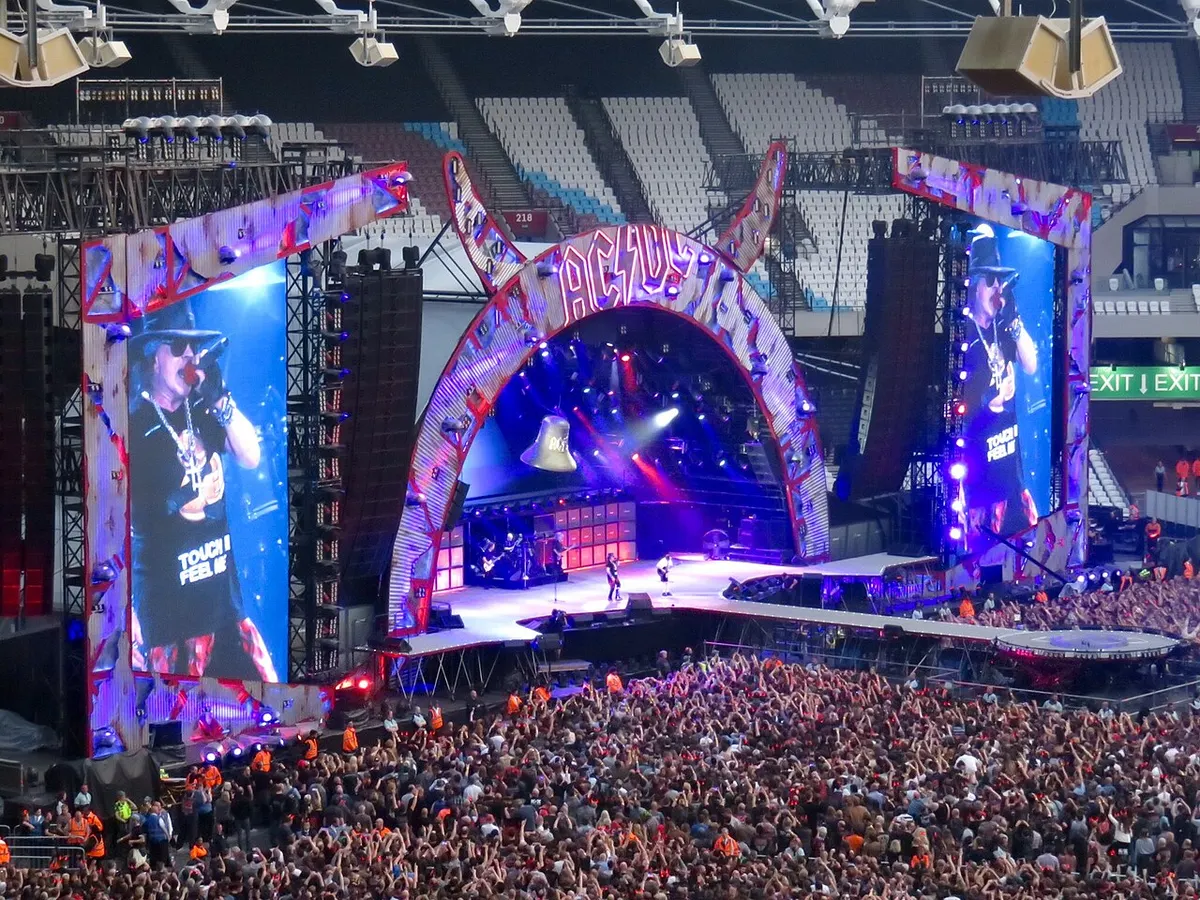
Rock tempos vary enormously, but a lot of mainstream rock sits comfortably in the 100 to 140 BPM range. Distortion is common, especially in hard rock, but it is usually warmer and less saturated than in metal. Bands like The Rolling Stones, Led Zeppelin, AC/DC, Nirvana and Foo Fighters show the breadth: from bluesy swagger to raw punk energy to polished stadium anthems. The emphasis is on the song, the hook and the groove.
What is metal?
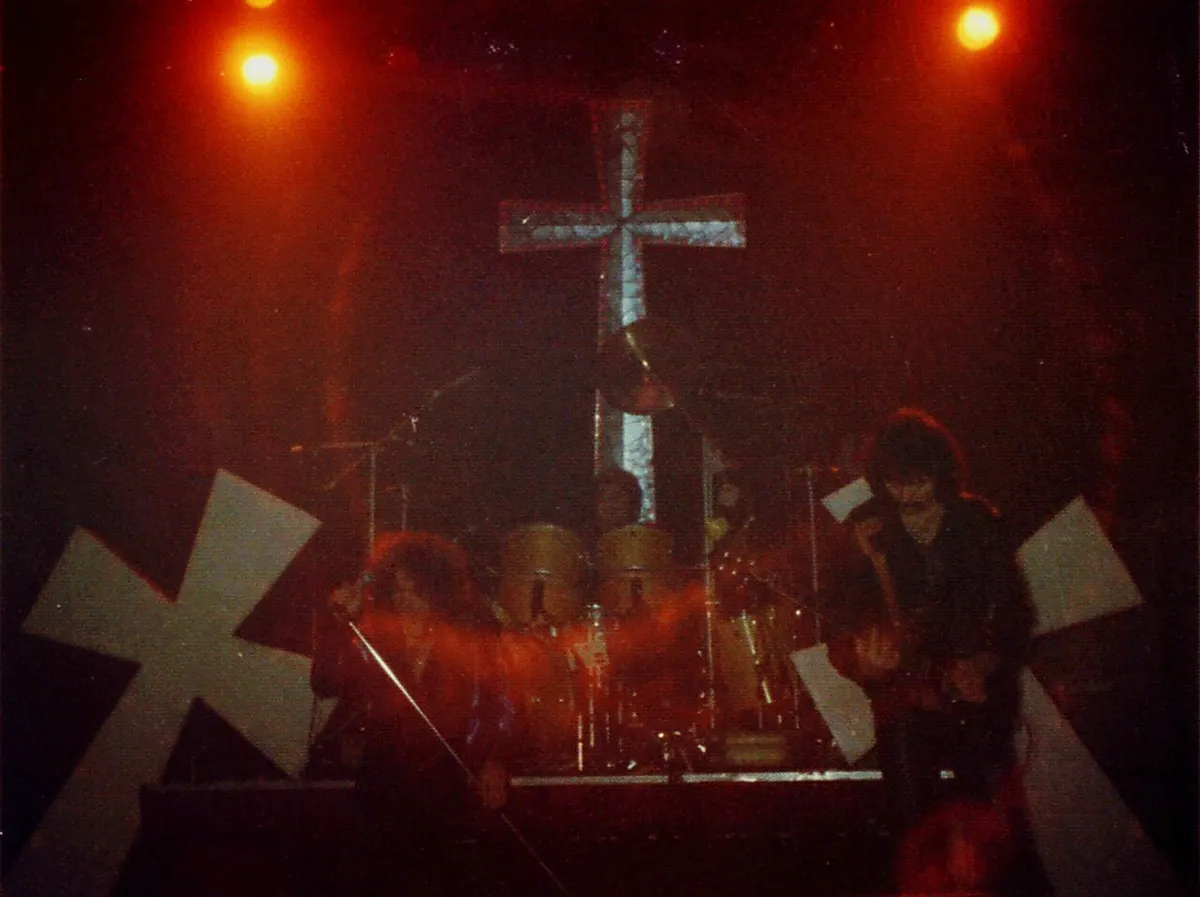
Heavy metal took shape at the end of the 1960s and start of the 1970s, with Black Sabbath's self-titled 1970 debut often cited as the moment metal became its own thing. Where rock kept one foot in blues and pop, metal doubled down on heaviness: down-tuned guitars, thick and highly saturated distortion, power chords, and riffs designed to sound as massive and menacing as possible.
Metal typically hits harder and often faster, with many subgenres running well above 140 BPM — thrash and death metal can blast past 180 to 200 BPM. Vocals range from soaring operatic highs (power metal) to guttural growls and screams (death and black metal). Lyrics frequently explore darker or more epic themes: mortality, mythology, war, the occult and inner turmoil. Metal also prizes technical skill — fast picking, complex time signatures, double-bass drumming and virtuoso solos. Foundational and defining acts include Black Sabbath, Judas Priest, Iron Maiden, Metallica, Slayer and Pantera, and the genre branches into many subgenres like thrash, death, black, doom and power metal.
Rock vs metal: side-by-side comparison
The clearest way to feel the contrast is to line the two up across the traits that actually separate them by ear.
| Trait | Rock | Metal |
|---|---|---|
| Guitar tone | Clean to warmly distorted | Thick, heavily saturated distortion |
| Tempo | Often 100–140 BPM | Wide; many subgenres 140–200+ BPM |
| Riffs | Groove- and hook-driven | Heavy, down-tuned power-chord riffing |
| Vocals | Mostly melodic singing | Melodic to screams and guttural growls |
| Lyrical themes | Love, life, rebellion, everyday | Darker, epic: death, myth, war, the occult |
| Technicality | Song-first, moderate | Often virtuosic and complex |
| Overall feel | Energetic, accessible | Aggressive, crushing, intense |
| Key artists | Led Zeppelin, AC/DC, Nirvana | Black Sabbath, Metallica, Iron Maiden |
How to tell them apart by ear
You do not need to be a musician to separate rock from metal. Focus on three cues and the answer usually shows up within the first thirty seconds.
Listen to the guitar tone and the riff
Metal's most obvious tell is the guitar. If the tone is thick, dark and heavily distorted, and the main riff is built from chugging, palm-muted power chords that feel physically heavy, you are almost certainly in metal territory. Rock guitar can be distorted too, but it tends to be warmer, cleaner around the edges, and more focused on a catchy riff or chord progression than on sheer weight.
Check the vocals and the aggression
Melodic, sung vocals with clear, hummable hooks point to rock. Screamed, growled or operatically extreme vocals point to metal — though plenty of metal has clean singing too, so use this alongside the guitar test. Then feel the overall aggression: rock can be energetic and even angry, but metal usually aims for a relentless, crushing intensity that rock rarely sustains. Combine the guitar-tone test, the vocal test and the aggression test and you will classify correctly the vast majority of the time.
If you want to skip the debate entirely, drop a clip into our AI music genre detector and let the model name whether it is rock, metal or a specific subgenre in seconds.
The blurry middle: hard rock and beyond
The rock-to-metal boundary is a spectrum, not a wall, and the fuzziest zone is hard rock. Bands like Led Zeppelin, Deep Purple and AC/DC are heavy enough that some listeners call them metal, while purists file them firmly under hard rock. Deep Purple's "Smoke on the Water" and Led Zeppelin's heavier cuts sit right on that line. Similarly, grunge acts like Soundgarden and Alice in Chains borrowed metal's heaviness but kept rock's song sensibility. The takeaway: many great bands live in the overlap, and reasonable fans disagree about which side they fall on. That ambiguity is normal and part of the fun.

Why the label matters in 2026
Getting the genre tag right is about discovery, not just pub arguments. A large and growing share of new music is machine-made; Deezer reported in April 2026 that roughly 44% of daily uploads, around 75,000 tracks per day, were AI-generated. AI tools can now generate convincing rock and metal instrumentals, and a lot of that output reaches Spotify and Apple Music with vague or wrong genre tags.
If you release music through DistroKid or a similar distributor, the genre you choose feeds the algorithms that decide which playlists and radio stations pick it up. Mislabel a thrash-metal track as generic "rock" and you may miss the exact audience most likely to love it. When you are unsure where your track lands on the rock-metal spectrum, run it through our AI music detector before you upload and tag it with confidence.
FAQ
Is metal a type of rock?
Yes. Metal evolved directly out of rock at the end of the 1960s and shares its core instrumentation of electric guitar, bass and drums. Metal is essentially rock taken to a heavier, more extreme end of the spectrum, so all metal is rooted in rock, but not all rock is metal.
What is the main difference between rock and metal?
Weight and intensity. Metal uses thicker distortion, heavier down-tuned riffs, often faster tempos, more aggressive vocals and darker themes than most rock. Rock is broader and more song-focused; metal pushes heaviness and technicality to an extreme.
Are AC/DC and Led Zeppelin rock or metal?
Most fans and critics classify them as hard rock rather than true metal, though they are heavy enough that some listeners call them metal. They sit in the blurry overlap zone between the two, which is why the debate never fully settles.
How can I identify the subgenre quickly?
Focus on the guitar tone, the vocals and the overall aggression: warm and melodic leans rock, crushing and heavily distorted leans metal. To confirm the exact subgenre, run a short clip through our AI music genre detector and let the model classify it for you.