TL;DR. Rap is a vocal technique — rhythmic, rhymed speech delivered over a beat. Hip-hop is the whole culture that rap belongs to, including DJing, breakdancing and graffiti. Put simply: rap is something you do; hip-hop is something you live. Almost all rap is part of hip-hop, but hip-hop is much bigger than rap alone.
Rap vs hip-hop: the short answer
People use "rap" and "hip-hop" as if they mean exactly the same thing, and in casual conversation that is usually fine. But they describe different layers of the same world. Rap is a way of using your voice: talking in rhythm and rhyme, in time with a beat. Hip-hop is the broader culture and art movement that grew out of the Bronx in the 1970s, of which rapping is only one part. The classic framing, credited to pioneers like Afrika Bambaataa and KRS-One, describes hip-hop through its core elements — MCing (rapping), DJing, breakdancing and graffiti art — with knowledge often added as a fifth.
So when you hear a rhymed verse over a beat, that is rap. When you talk about the fashion, the dance, the DJ culture, the slang and the community around it, that is hip-hop. A useful memory hook: "Hip-hop is a culture; rap is a genre and a skill inside it."
Where hip-hop actually came from
Hip-hop was born at block parties in the Bronx, New York, in the early-to-mid 1970s. The founding moment is often dated to August 11, 1973, when DJ Kool Herc extended the instrumental "breaks" of funk and soul records so dancers could keep going. Those dancers became b-boys and b-girls (breakdancers), and MCs started talking over the breaks to hype the crowd. That MC role is where rap as we know it began.
Grandmaster Flash refined the DJ techniques, Afrika Bambaataa organized the culture and gave it a name and philosophy, and by 1979 "Rapper's Delight" by the Sugarhill Gang put rap on the radio and the charts. From there hip-hop grew into one of the most influential cultural forces on the planet, shaping music, fashion, language and film for the next fifty years.
What "rap" specifically means
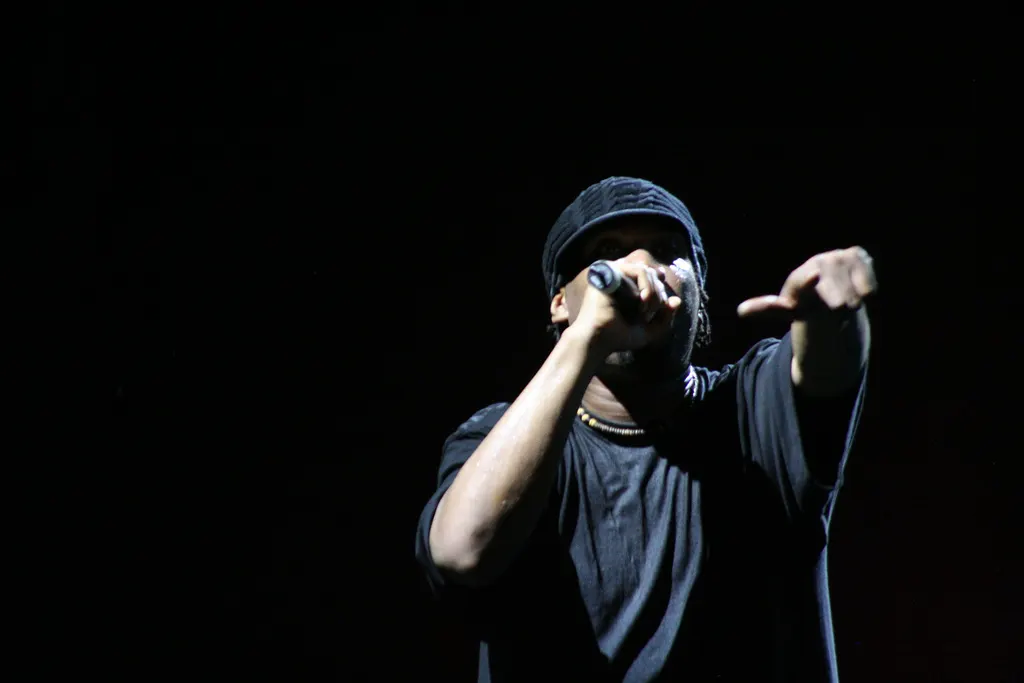
Rap — short for "rhythm and poetry" in one popular backronym — is the vocal delivery. A rapper (or MC, for "master of ceremonies") writes and performs lyrics in a percussive, rhyming cadence locked to the beat. The craft has its own vocabulary: flow (how the rhythm of the words rides the beat), cadence, multisyllabic rhyme, punchlines, ad-libs and bars. A rapper can perform over almost any instrumental, which is why you now hear rap over trap, boom bap, drill, rock, pop and even jazz.
Importantly, rapping is a technique that exists outside hip-hop culture too. There is rap in pop songs, in rock (think Rage Against the Machine), and in advertising jingles. But when people say "rap music," they almost always mean rap that lives inside hip-hop.
What "hip-hop" specifically means
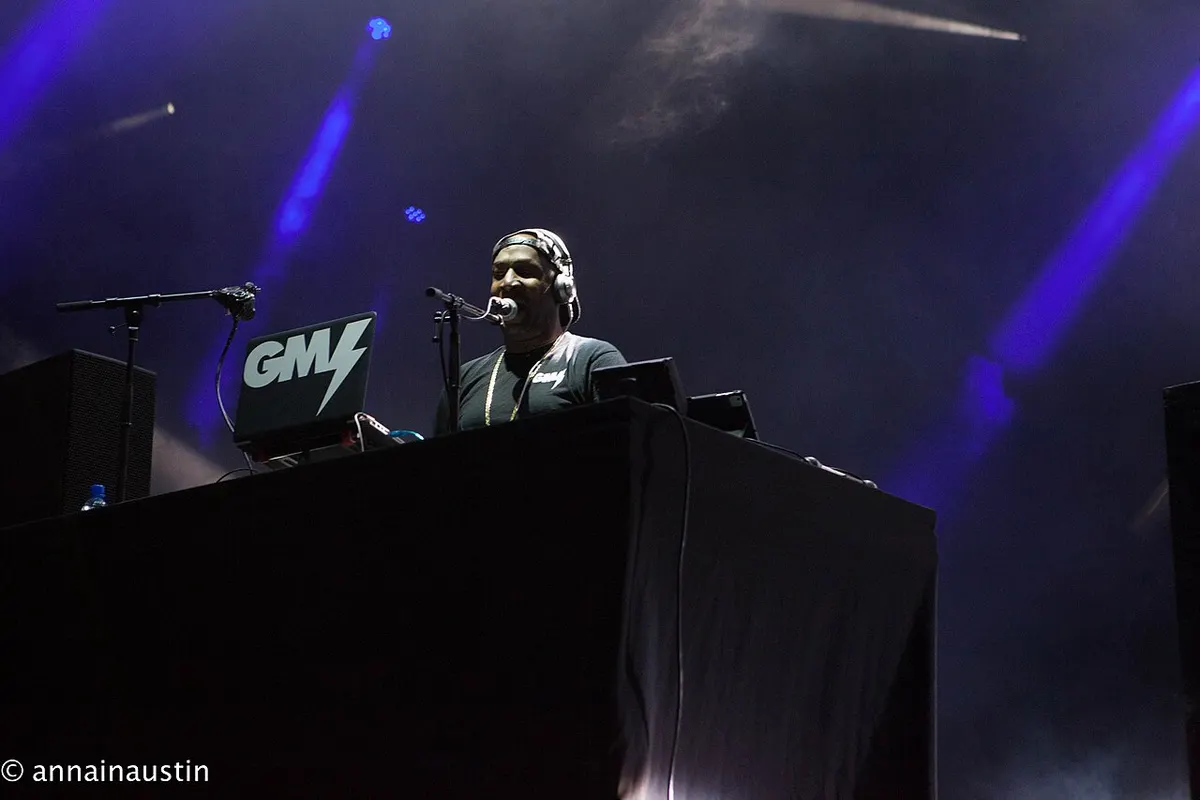
Hip-hop is the umbrella culture. If rap is the voice, hip-hop is the whole body. The traditional four elements are:
- MCing / rapping — the vocal art of rhyming over beats.
- DJing / turntablism — scratching, beat-juggling and building the instrumental foundation.
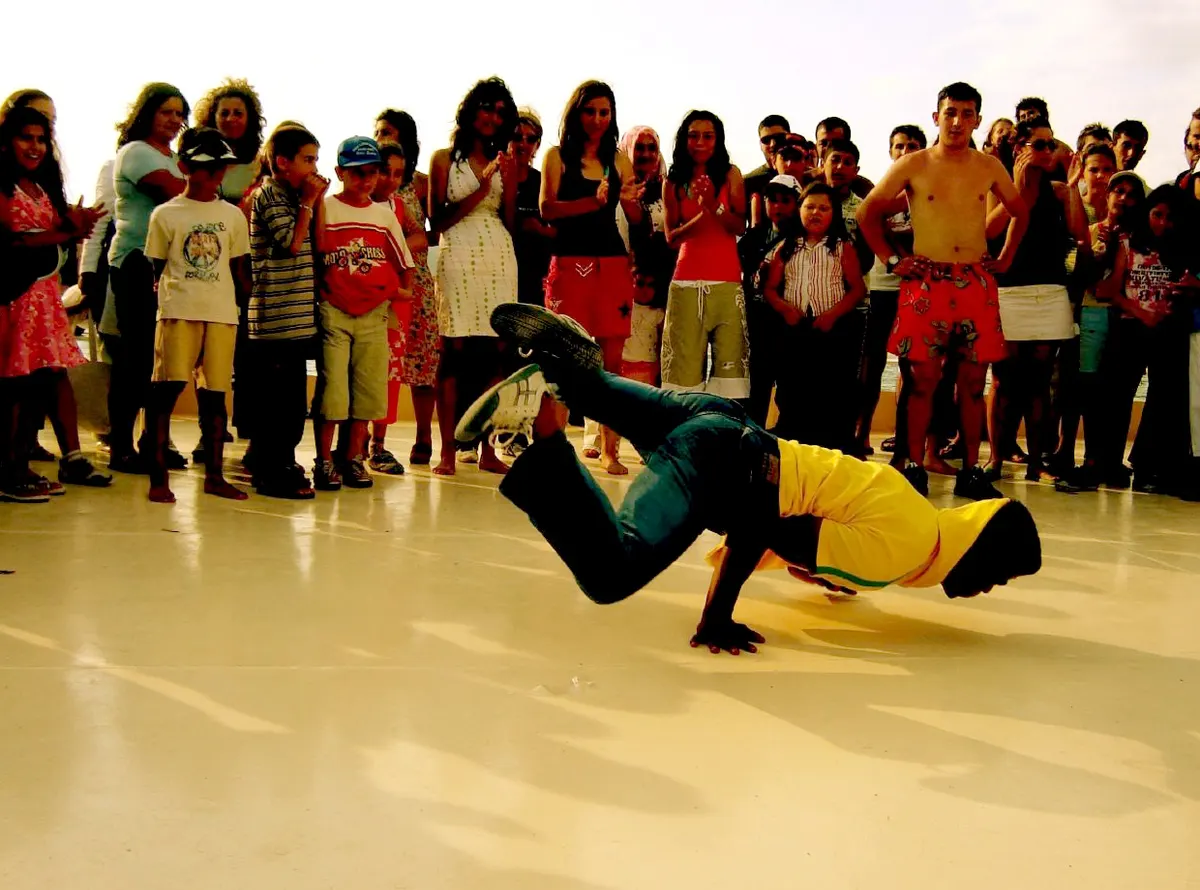
- Breakdancing (b-boying / b-girling) — the athletic street dance built on the breaks.
- Graffiti art — the visual, spray-can side of the culture.
Add the often-cited fifth element, "knowledge of self" and community awareness, and you have the full picture. As a musical genre, hip-hop also contains many subgenres — boom bap, trap, drill, cloud rap, conscious hip-hop and more — that share the DNA but sound very different from each other.
Rap vs hip-hop: side-by-side comparison
The fastest way to lock in the distinction is to see the two words next to each other across the things that actually differ.
| Aspect | Rap | Hip-Hop |
|---|---|---|
| What it is | A vocal technique / music genre | A broader culture and art movement |
| Scope | Narrow — the rhyming vocals | Wide — music, dance, art, fashion, language |
| Core focus | Flow, rhyme, bars, delivery | MCing, DJing, breakdancing, graffiti (+ knowledge) |
| Can exist without the other? | Rap can appear in pop, rock, etc. | Hip-hop includes far more than rap |
| Origin | MCs hyping crowds over breaks | 1970s Bronx block-party culture |
| Everyday use | "That verse was a hard rap" | "He grew up in hip-hop culture" |
| Analogy | The singing | The whole scene the singing lives in |
The famous KRS-One line
The cleanest summary of this debate comes from rapper KRS-One, who is often quoted as saying, "Rap is something you do; hip-hop is something you live." That single sentence captures the entire distinction: rap is an activity, a performance, a skill. Hip-hop is an identity, a worldview and a community you belong to. You can be an incredible rapper without truly living hip-hop, and you can live and breathe hip-hop culture through DJing, dancing or art without ever writing a single bar.
So which word should you use?
In everyday speech, using them interchangeably is understood and rarely a problem. But if you want to be precise:
- Talking about a specific song, verse or delivery? Say rap.
- Talking about the culture, movement, community or aesthetic? Say hip-hop.
- Talking about the music genre as a whole on streaming? Both are used, but platforms and stores usually file it under "Hip-Hop/Rap" as one category.
If you produce or upload music, that last point matters. Digital distributors and streaming services often bundle the two into a single genre tag, so choosing the right label for your track affects how it gets recommended and who discovers it.
Why the label matters in 2026
Getting the genre right is not just semantics anymore — it is discovery. A huge share of new music is now machine-made; Deezer reported in April 2026 that roughly 44% of daily uploads, around 75,000 tracks a day, were AI-generated. Tools like Suno's v5 and its "Voices" feature can spin up convincing rap verses in seconds, and a lot of that output lands on Spotify and Apple Music with sloppy or missing genre tags.
When you distribute a track through DistroKid or a similar service, the genre you pick feeds the algorithms that decide which playlists and radio stations surface it. Tag a boom-bap record as generic "pop" and it may never reach the right listeners. If you are not sure whether your track reads as rap, trap or something else, you can run a clip through our AI music genre detector and let the model name the genre and subgenre for you before you upload.
FAQ
Is rap the same as hip-hop?
Not exactly. Rap is the vocal technique — rhymed, rhythmic speech over a beat. Hip-hop is the wider culture that includes rapping plus DJing, breakdancing and graffiti. In casual conversation people use the words interchangeably, but rap is one part of hip-hop, not the whole thing.
Can there be hip-hop without rap?
Yes. Instrumental hip-hop, DJ sets, breakdancing and graffiti are all hip-hop with no rapping at all. Hip-hop is a whole culture, so it exists in forms that never feature a single rapped verse.
Why do stores file music under "Hip-Hop/Rap"?
Because as a music genre the two overlap almost completely, digital stores and streaming services group them into one category for simplicity. Nearly all commercial rap is hip-hop music, so a combined tag keeps browsing and cataloguing clean.
How do I know which genre tag to give my track?
Listen for the elements: heavy rhymed vocals over a beat is rap/hip-hop, but the subgenre (boom bap, trap, drill) depends on tempo, drums and mood. To confirm before distributing, run a short clip through our AI music genre detector and let the model classify it for you.