Krautrock is the experimental rock that came out of West Germany between the late 1960s and the late 1970s, a loose movement of bands such as Can, Neu!, Faust, Amon Düül II, Tangerine Dream, Cluster and early Kraftwerk who rejected both German schlager and the Anglo-American blues-rock model. Its signature traits are long, hypnotic repetition, a steady four-on-the-floor "motorik" drum pulse, studio editing and tape experiments, and an early, fearless use of synthesisers and electronics.
The name was coined by the British music press and is still argued over, but the music behind it shaped post-punk, ambient, electronic music and post-rock. This guide covers the history, the sound, the main scenes, the records to start with and how krautrock differs from progressive and psychedelic rock. To hear how a repetitive, hypnotic track reads to a machine, try a clip in our free AI music genre detector.
What Is Krautrock?
Krautrock is less a single sound than a shared attitude. The musicians who made it grew up in post-war West Germany, where the home-grown pop was schlager and youth culture was imported from Britain and America. Their answer was to start from zero: to treat rock as raw material, not a tradition, and to borrow instead from avant-garde composition, free jazz, minimalism, electronic studio music and non-Western music.
In practice that produced a few recurring habits. Songs are built on repetition instead of verse-chorus development: a bass figure or drum pattern can run unchanged for ten or fifteen minutes while textures shift on top. Guitar solos in the blues sense are rare; instead the guitar plays drones, rhythmic scratches or looping melodies. Vocals, when they appear, are often one more texture. The studio is treated as an instrument: long improvisations were recorded and then edited, layered and processed into finished pieces.
Many of the musicians disliked the word "krautrock", a pejorative label popularised by British music journalists; until about 1973 the scene was usually called "Deutsch-Rock" at home. Some preferred kosmische Musik ("cosmic music"), a term Edgar Froese coined in 1971 and producer Rolf-Ulrich Kaiser then used to market the more electronic, spacious wing: Tangerine Dream, Klaus Schulze, Ash Ra Tempel. Today both terms are used, with "krautrock" as the umbrella and "kosmische" for the synth-and-drone side.
History & Origins
The movement took shape around 1968, the year of student protest across West Germany. In West Berlin, the Zodiak Free Arts Lab, founded in spring 1968 by Conrad Schnitzler, Hans-Joachim Roedelius and Boris Schaak, hosted loud, open-ended sessions until it closed in early 1969. Tangerine Dream played there often, and Schnitzler and Roedelius later formed Kluster (later Cluster) with Dieter Moebius. On 25–29 September 1968 the Internationale Essener Songtage festival in Essen put German bands such as Amon Düül, Tangerine Dream and Guru Guru on the same programme as Frank Zappa's Mothers of Invention and the Fugs; around 40,000 people came, and German Wikipedia calls it the debut of an independent German rock music.
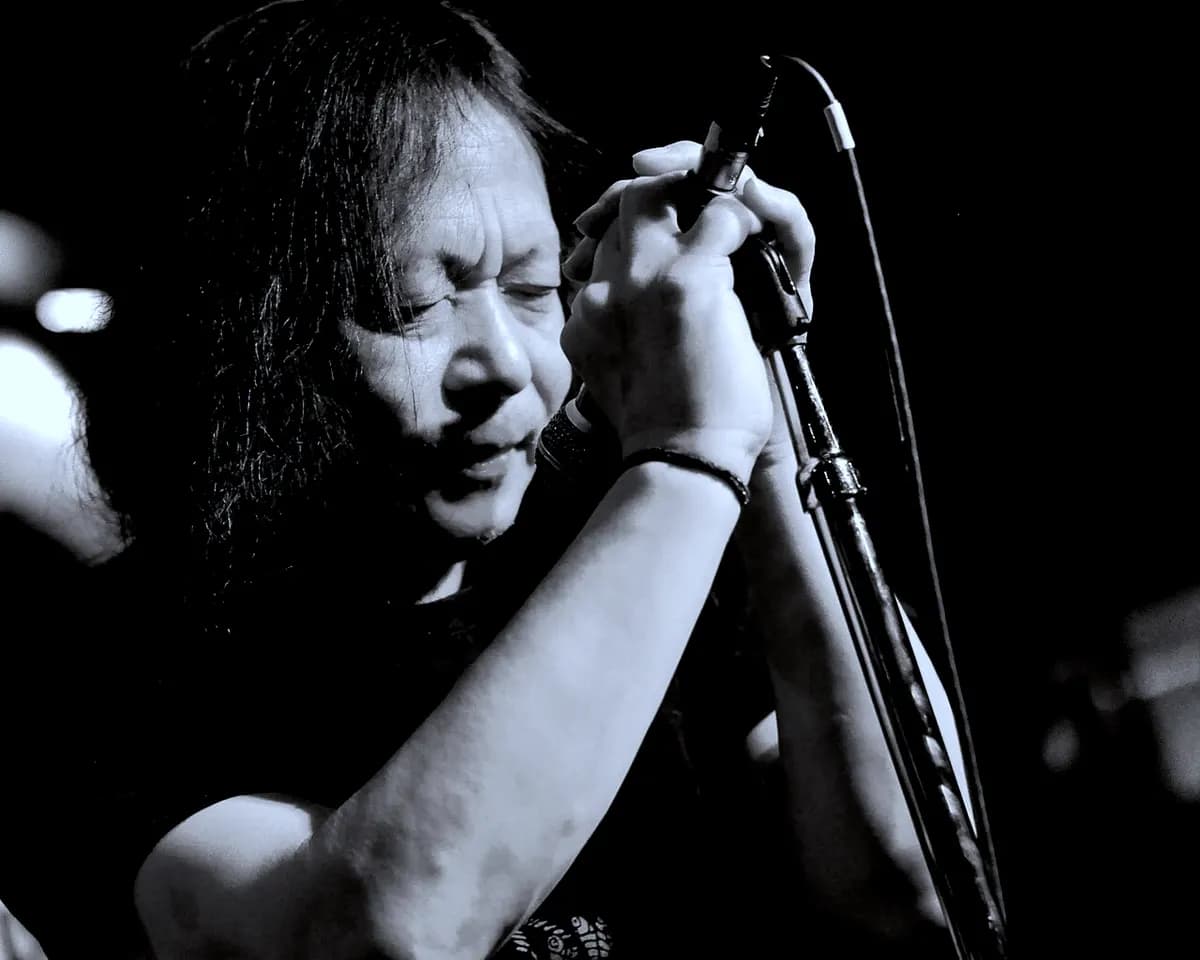
The same year in Cologne, Can was formed by Holger Czukay and Irmin Schmidt, both former students of Karlheinz Stockhausen, with guitarist Michael Karoli and the jazz-trained drummer Jaki Liebezeit. With the American singer Malcolm Mooney (1968–69) and then Damo Suzuki, whom Czukay and Liebezeit found busking in Munich in 1970, Can recorded long jams in their own Inner Space studio and edited them into albums such as Tago Mago (1971), Ege Bamyasi (1972) and Future Days (1973). "Spoon", the theme of the TV crime series Das Messer, reached number 6 on the German singles chart.
In Düsseldorf, Ralf Hütter and Florian Schneider founded Kraftwerk. Drummer Klaus Dinger joined midway through the sessions for their first album and guitarist Michael Rother soon after; in 1971 the two left to form Neu!, whose first album (1972) introduced the relentless, straight-ahead beat that became known as motorik. Both bands worked with producer and engineer Conny Plank, whose studio at his home on the southern outskirts of Cologne became one of the movement's hubs. Kraftwerk's Autobahn (1974) then took the electronic side of krautrock to an international audience.
Faust, brought together in 1970 by former music journalist and producer Uwe Nettelbeck, lived and recorded for about three years in a former schoolhouse at Wümme. Polydor signed them and dropped them after two poorly selling albums built from collage and tape edits. Virgin then released The Faust Tapes (1973) in Britain at the price of a single, 48 pence; it reportedly sold over 100,000 copies but was too cheap to chart. Faust IV (1973), recorded at Virgin's studio in England, opens with a 12-minute track titled "Krautrock", although the band later distanced themselves from the term. Munich's Amon Düül II released the sprawling Yeti (1970), and Popol Vuh, led by Florian Fricke, moved from Moog experiments to devotional, acoustic music and soundtracks for Werner Herzog.
The labels mattered. Ohr, run by Rolf-Ulrich Kaiser, promoted the "kosmische" idea and in 1972 released a compilation called Kosmische Musik. Brain, founded in Hamburg in 1972 by two former Ohr A&R men, Bruno Wendel and Günter Körber, released Neu!, Cluster, Guru Guru and Harmonia. In Britain, Virgin was already using the word "krautrock" in 1972, and Ian MacDonald covered the scene across three issues of the NME that December. In the village of Forst, Michael Rother joined Dieter Moebius and Hans-Joachim Roedelius of Cluster as Harmonia in 1973; Brian Eno called them "the world's most important rock band" and recorded with them in 1976.
By the late 1970s the original wave had dissolved, but its influence was just beginning. David Bowie's Station to Station (1976) shows it, and the experiments that followed led to his Berlin trilogy with Eno; Bowie later called Dinger's La Düsseldorf "the soundtrack of the eighties". Bowie, Eno, Iggy Pop and Sonic Youth have all cited Neu!, Simple Minds drew on its motorik grooves, post-punk bands such as Joy Division and Public Image Ltd absorbed the pulse, and Stereolab and Mogwai carried it into post-rock. Julian Cope's book Krautrocksampler (1995) helped spark the reissue boom that made the original albums easy to find again.
Key Characteristics & Sound
What identifies a krautrock recording:
- Tempo: anything from beatless drone to a brisk pulse. Motorik tracks hold one steady mid-to-fast tempo from start to finish (there is no standard BPM figure for the style); kosmische pieces often have no fixed beat at all.
- Motorik beat: a straight, even 4/4 with kick on every beat, a steady hi-hat and few fills, built for forward motion instead of swing. Klaus Dinger of Neu!, who called it the "Apache beat", is the name most associated with it; Jaki Liebezeit's tight, looping grooves in Can are its funkier cousin.
- Repetition and length: one or two chords, a locked bass line, tracks of 8–20 minutes, side-long pieces.
- Harmony: modal and static; drones and pedal tones instead of chord progressions.
- Electronics: early synthesisers (Moog, EMS VCS3), organs, sequencers, echo units and tape loops.
- Studio editing: jams cut and spliced into finished pieces, collage, musique concrète techniques.
- Vocals: sparse, chanted, half-spoken or in invented language; often buried in the mix.
How krautrock compares with the rock styles around it:
| Trait | Krautrock | Progressive Rock | Psychedelic Rock | Post-Punk |
|---|---|---|---|---|
| Peak period | 1968–1978 | 1969–1977 | 1966–1970 | 1978–1984 |
| Core idea | Repetition, texture, studio | Complex composition, virtuosity | Altered perception, jams | Rock deconstructed, angular |
| Rhythm | Motorik 4/4 or beatless | Odd metres, tempo changes | Loose, blues-based | Tight bass-led grooves |
| Harmony | Static, modal, drones | Classical-style progressions | Modal, blues | Minimal, dissonant |
| Electronics | Central (synths, tape) | Mellotron, Moog as colour | Effects, organ | Synths, drum machines |
| Reference track | Hallogallo (Neu!) | Close to the Edge (Yes) | Interstellar Overdrive (Pink Floyd) | Atmosphere (Joy Division) |
Instruments & Production
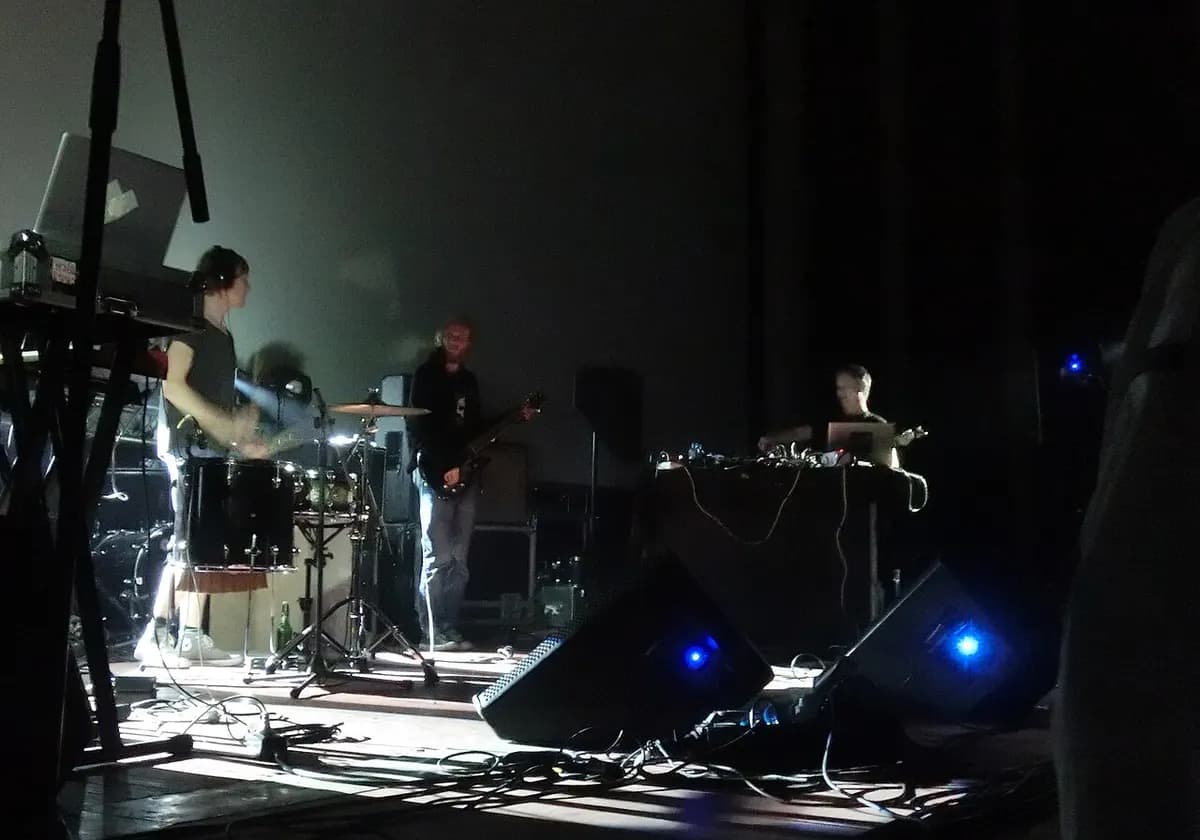
Krautrock bands used the ordinary rock line-up, but they used it differently:
- Drums: the engine. Steady, repetitive and mixed forward, closer to a machine than a jazz or blues drummer; later electronic music took this idea literally.
- Bass: short ostinato figures repeated for minutes, often the main melodic hook.
- Guitar: drones, chiming open strings, effects-heavy textures and feedback; Michael Rother's layered, singing lines on Neu! and Harmonia are a model.
- Keyboards and synthesisers: organs, the Moog and the EMS VCS3, and from the mid-1970s sequencers that ran patterns automatically: Tangerine Dream's Phaedra (1974), their first album built on the Moog sequencer, reached number 15 in the UK.
- Tape and studio effects: loops, phasing, echo and editing; Holger Czukay's work as Can's editor and Conny Plank's engineering are central to the sound.
- Non-rock instruments: violin, flute, percussion and Indian and Middle Eastern instruments in Amon Düül II, Popol Vuh and Embryo.
The production sound is often dry and close, with drums and bass up front and textures drifting in reverb behind. Many classic records were made in band-owned or improvised studios, such as Can's Inner Space (first set up at Schloss Nörvenich), Faust's schoolhouse and Conny Plank's home studio, where nobody was paying by the hour.
Scenes & Strands
Krautrock covers several distinct currents, often linked to a city:
- Motorik / Düsseldorf: straight, driving, minimal. Key names: Neu!, La Düsseldorf, early Kraftwerk.
- Cologne groove: funk-influenced, edited improvisation. Key names: Can.
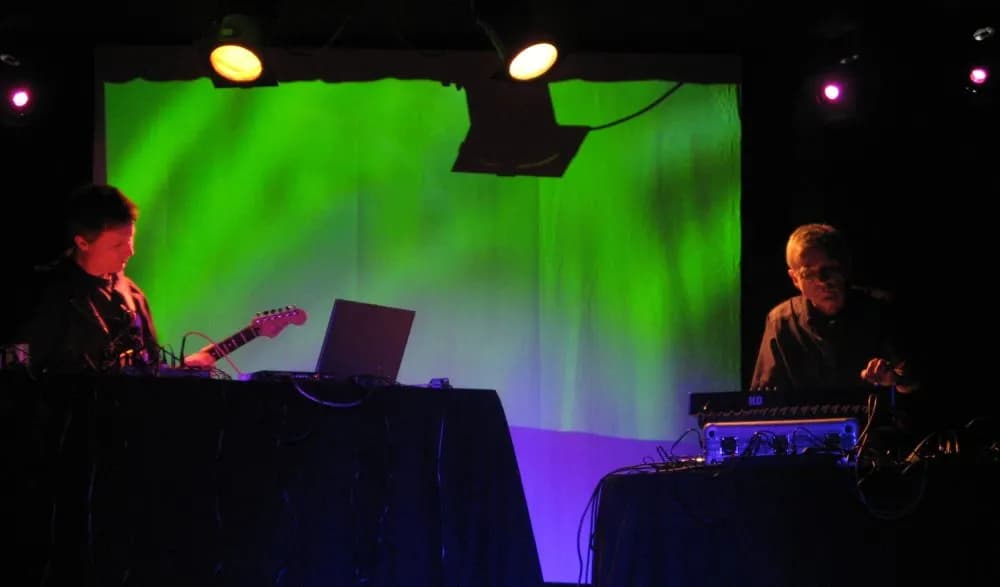
- Kosmische Musik / Berlin School: long synthesiser and sequencer pieces. Key names: Tangerine Dream, Klaus Schulze, Ash Ra Tempel. A direct ancestor of ambient, new age and trance-like electronic music.
- Collage and avant-garde: tape cut-ups, noise and found sound. Key names: Faust, Kluster.
- Commune psychedelia: heavy, sprawling acid rock. Key names: Amon Düül II, Guru Guru, Ash Ra Tempel's early albums. Closest to psychedelic rock.
- Pastoral electronics: gentle, melodic synth music from the countryside. Key names: Cluster, Harmonia.
- Spiritual and world fusion: Popol Vuh, Embryo, the later work of Deuter.
The electronic strand eventually separated from rock entirely. Kraftwerk's later records sit at the root of synth-pop, electro and techno, and the motorik beat lives on in post-punk, indie rock and modern electronic music.
Key Bands & Essential Albums
A starter shelf, roughly in chronological order:
| Album | Artist | Year | Why it matters |
|---|---|---|---|
| Yeti | Amon Düül II | 1970 | Sprawling commune psychedelia; the heavy, freak-out side of the scene |
| Tago Mago | Can | 1971 | Edited jams, Liebezeit's grooves and Damo Suzuki's voice at their wildest |
| Faust | Faust | 1971 | Collage, tape edits and noise; the most radical debut of the era |
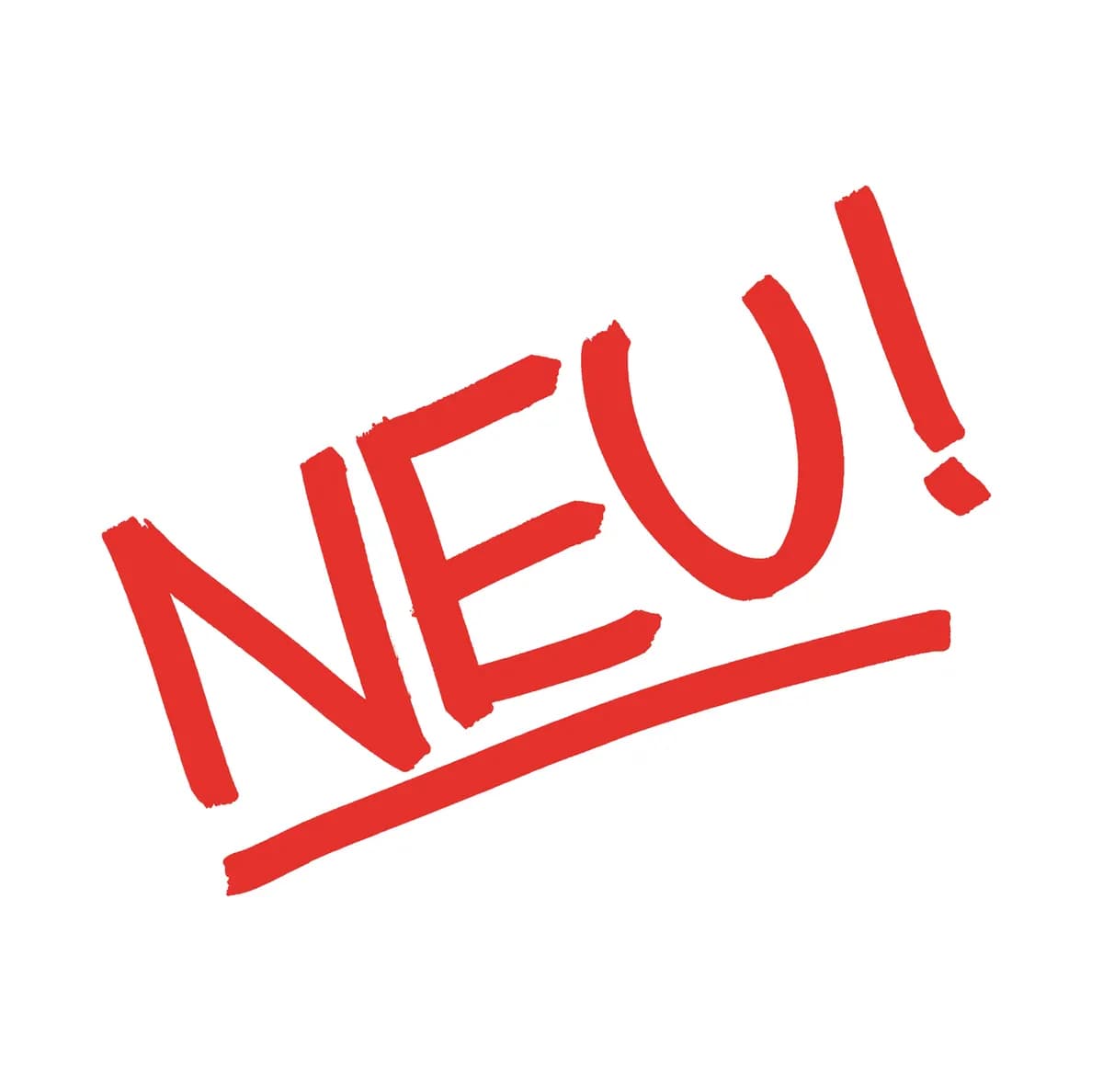
| Neu! | Neu! | 1972 | 'Hallogallo' defines the motorik beat |
| Zeit | Tangerine Dream | 1972 | Beatless, cosmic drone; kosmische Musik at its purest |
| Ege Bamyasi | Can | 1972 | Shorter, tighter songs including 'Vitamin C' and 'Spoon' |
| Future Days | Can | 1973 | Floating, ambient-leaning groove |
| Autobahn | Kraftwerk | 1974 | The electronic crossover that reached an international audience |
| Musik von Harmonia | Harmonia | 1974 | Pastoral electronics from Rother, Moebius and Roedelius |
| Neu! 75 | Neu! | 1975 | Split between serene and proto-punk sides; 'Hero' inspired John Lydon |
Krautrock vs Progressive Rock and Psychedelic Rock
Krautrock is often filed next to progressive rock, and the two share long tracks, synthesisers and ambition. The difference is in what they value. Prog builds complexity: shifting time signatures, written themes, classical-style development and instrumental virtuosity. Krautrock strips things away: a single groove, minimal chord changes and texture evolving slowly over repetition. Yes and Genesis compose; Neu! and Can loop.
Against psychedelic rock, the line is blurrier, and early Amon Düül II or Guru Guru could be filed as either. The test is the blues. Anglo-American psychedelia is still rooted in blues scales and guitar solos; krautrock deliberately avoids them, preferring drones, modal figures and machine-like rhythm. Against post-rock, which openly borrowed from it, the difference is era and dynamics: post-rock tends to build from quiet to loud crescendos, while krautrock holds a level plane. For the bigger map, see our guide to rock subgenres.
How AI Detects Krautrock
For an audio model, krautrock offers unusual cues: a very stable tempo with almost no variation, repetitive bass and drum patterns, few vocal sections and textures that drift slowly instead of changing at section boundaries. Guitars may be clean or heavily processed, and synthesisers or tape effects often dominate the spectrum.
What a model cannot hear is context: that a record was made in Cologne in 1971 by former Stockhausen students. It hears a rock band playing in a trance, or an electronic piece with no beat. Try a motorik track and a kosmische piece in the Genre AI music genre detector and compare the top labels; for why one track can carry several genre readings, see why songs have multiple genres.
Genre AI's production taxonomy has no krautrock label, so the answer depends on which side of the movement a track comes from. Band-based material by Can, Neu!, Amon Düül II or Faust will most likely land in the Rock category, and there on Progressive / Psychedelic Rock, since long tracks, organ and effects-heavy guitar fit that profile better than any other rock sub-label; Indie / Alternative or Punk are the likely alternatives for the drier, more driving tracks. Kosmische pieces by Tangerine Dream or Klaus Schulze are harder to place. The label that describes them best, Ambient, has no sub-labels, and the model gives such a label only when no category with sub-labels reaches its top five; a beatless synthesiser drone may therefore come back under Electronic Dance (Minimal or Abstract / IDM / Leftfield) or Classical (Contemporary Classic). Sequencer-driven or motorik tracks with a steady four-on-the-floor kick may also pull toward Electronic Dance, with Techno or Minimal as the answer, because the repeating pulse looks a lot like a club loop. Read the label as a pointer to which side of krautrock you are hearing; the era and the instrumentation decide the rest.