Chanson, in full chanson française, is the French tradition of the literary popular song: a lyric-driven song in French, usually sung solo, in which the words carry as much weight as the melody and the singer is often also the author. The classic sound is a voice close to the microphone over piano, accordion, guitar or a small orchestra. In France its best-known names, among them Édith Piaf, Charles Trenet, Georges Brassens, Jacques Brel, Barbara, Léo Ferré, Charles Aznavour and Serge Gainsbourg, are read and taught as poets as well as heard as musicians.
This guide explains what chanson is, how it grew from medieval song and Parisian cabaret into its mid-20th-century peak, what it sounds like, how it differs from French pop and from Russian "chanson", and where to start listening. To see how a chanson recording reads to a classifier, try a clip in our free AI music genre detector.
What Is Chanson?
In French, chanson simply means "song", and the word has several layers of meaning. Music historians use it for the polyphonic secular songs of the Middle Ages and Renaissance. In everyday modern usage, though, chanson or chanson française means a specific 20th-century tradition: songs in which the text is a crafted piece of writing (a story, a poem, a satire or a confession) and the music exists to carry it.
Three ideas define that tradition. The first is the primacy of the text: rhyme, wordplay, storytelling and a precise use of French count for more than groove or production. The second is the auteur-compositeur-interprète (ACI), the singer-songwriter who writes, composes and performs his or her own material; French has a standard term and abbreviation for this figure. The third is the stage. Chanson grew up in cabarets, music halls and small Left Bank clubs, and its performers are judged on how they deliver a story live.
That makes chanson a relative of the American folk singer-songwriter, Portuguese fado and Argentine tango song, all urban traditions of the sung story, more than of chart pop. It also sits at the opposite end from German schlager, which puts the catchy hook first.
History & Origins
Medieval and Renaissance roots. The troubadours and trouvères of the 12th and 13th centuries sang lyric poetry in Occitan and Old French. Later composers such as Guillaume de Machaut in the 14th century and Josquin des Prez and Clément Janequin in the Renaissance wrote polyphonic chansons. The modern genre does not descend from them directly, but French culture has treated the song as a literary form for a very long time.
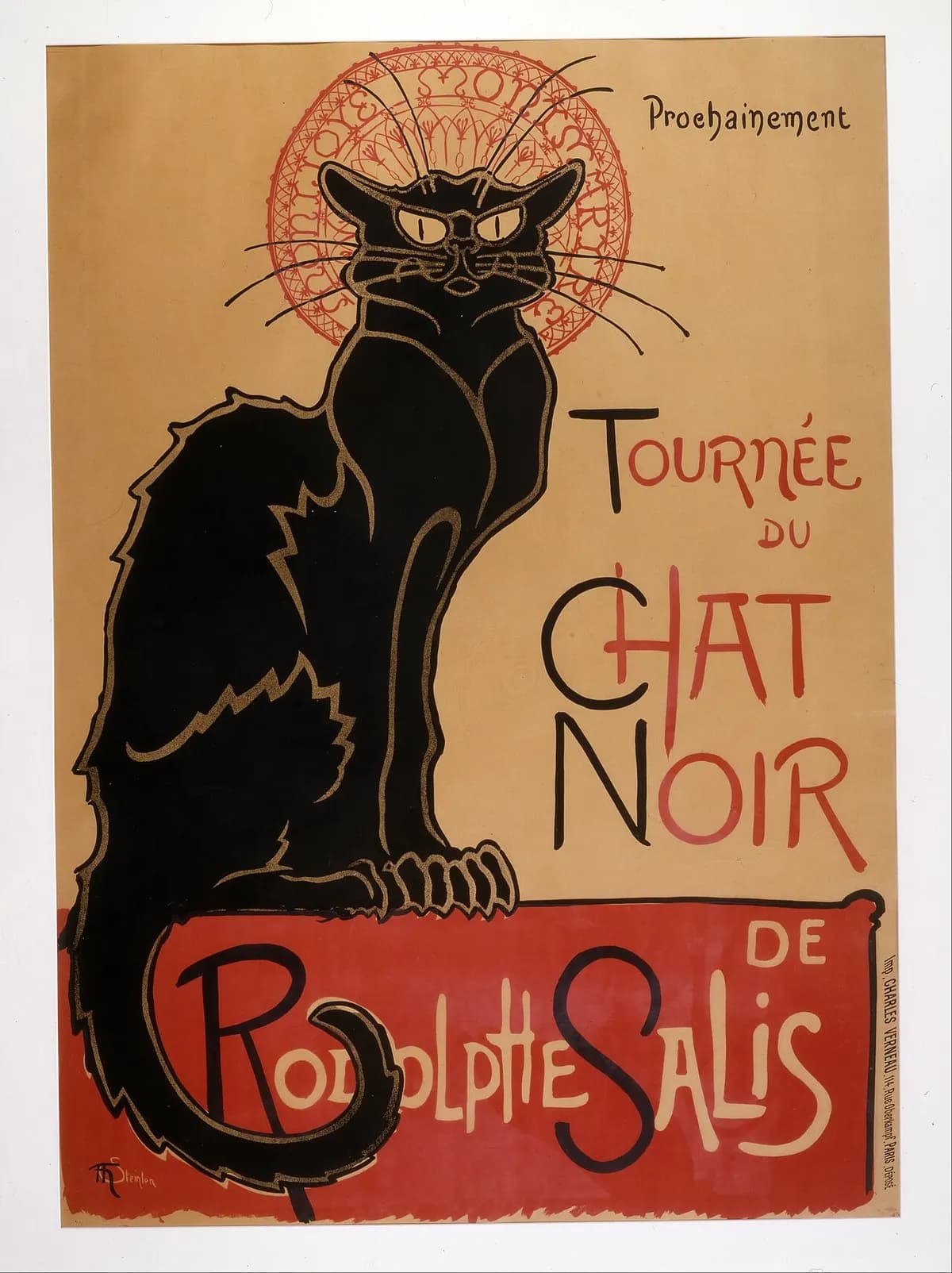
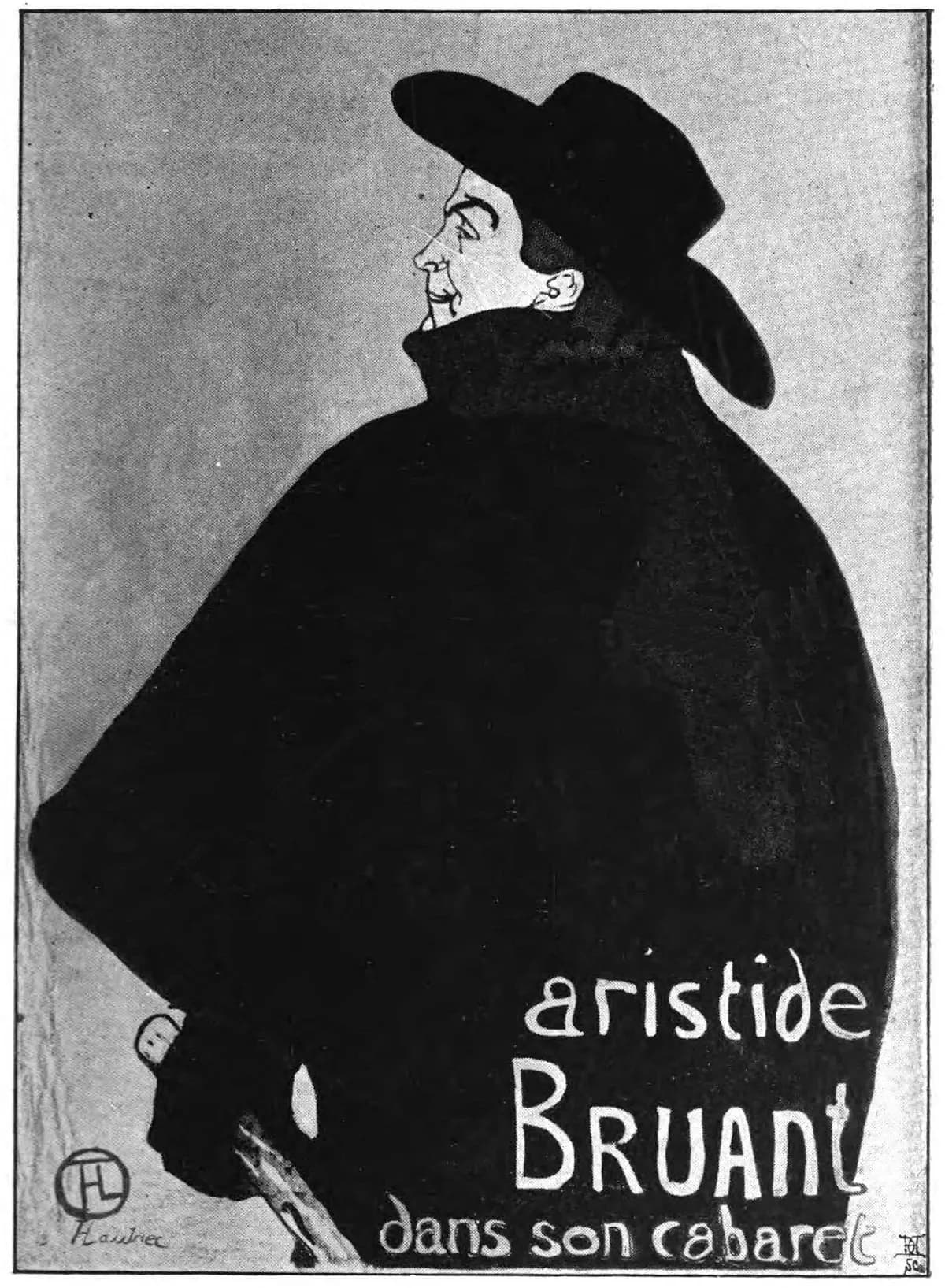
Café-concert and cabaret. In the 19th century Paris filled with café-concerts and then music halls. The cabaret Le Chat Noir, opened by Rodolphe Salis in Montmartre in November 1881, mixed poetry, satire and song. Aristide Bruant performed there from 1884 before running his own venue, Le Mirliton; he sang in the slang of the Paris streets and is the man in the black hat and red scarf on Toulouse-Lautrec's posters. Much of the later chanson stance starts here, with a performer singing about city life to a room full of people who live it.
Chanson réaliste. From the 1880s to the end of the Second World War, "realist song" told stories of the poor, prostitutes, sailors and lost love. Between the wars its stars were women such as Fréhel and Damia, singing to accordion and the waltz of the bal-musette. Its most famous voice was Édith Piaf (1915–1963), who started out singing in the street and took the style to international fame with "La Vie en rose" (written in 1945), "Hymne à l'amour" (1950) and "Non, je ne regrette rien" (1960). In the same years Charles Trenet, "le fou chantant" (the singing madman), brought swing rhythms and a sunny, surreal humour, and wrote "La Mer" (recorded 1946) and "Douce France".
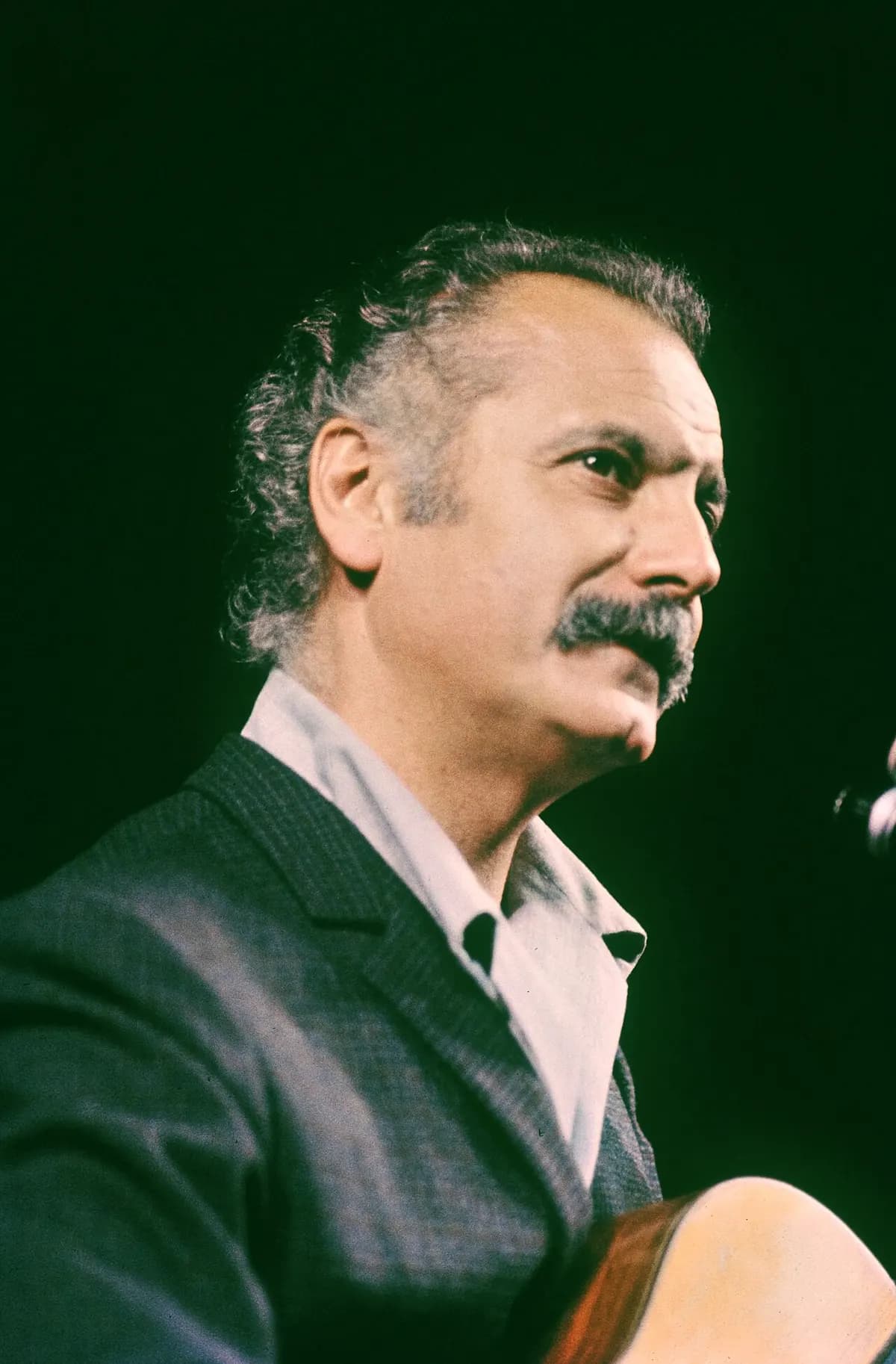
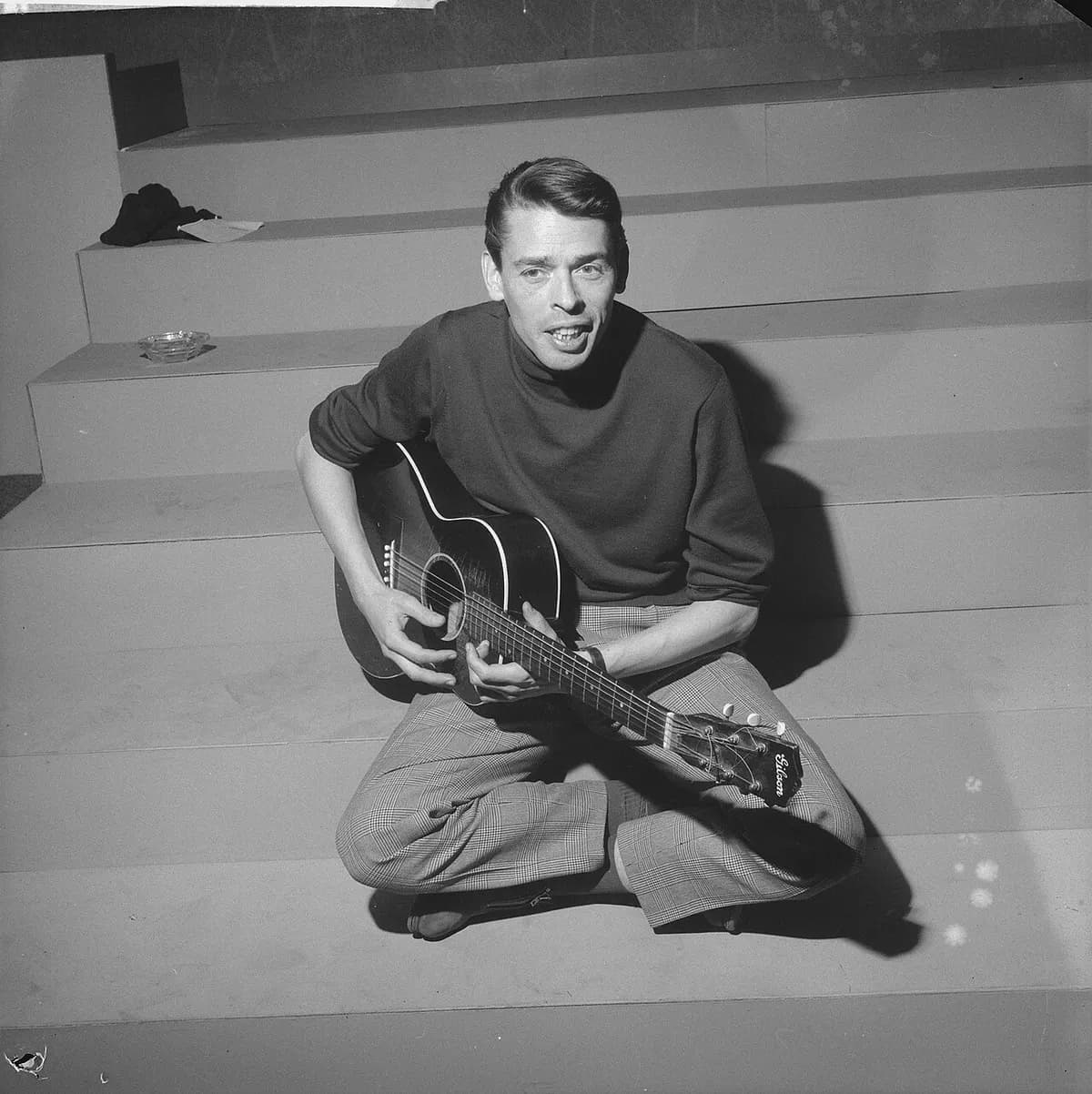
The post-war peak. From the late 1940s the clubs of Saint-Germain-des-Prés on the Left Bank made chanson the music of existentialist Paris. Juliette Gréco, who had moved to the district in 1945, sang "La Rue des Blancs-Manteaux" with words by Jean-Paul Sartre and songs by Jacques Prévert and Raymond Queneau. Over the next two decades the great ACIs emerged. Georges Brassens had his guitar, his pipe and bawdy, anarchic, finely rhymed songs. The Belgian Jacques Brel was known for explosive stage performances and wrote "Ne me quitte pas" (recorded 1959) and "Amsterdam". Léo Ferré set Baudelaire, Verlaine and Rimbaud and wrote "Avec le temps". Barbara, the "dame en noir", wrote "Göttingen" and "L'Aigle noir". Charles Aznavour's "La Bohème" (1965) and his long career abroad made him the most widely known French singer outside France.
Yé-yé, Gainsbourg and after. In the 1960s British and American rock 'n' roll arrived in French as yé-yé: Johnny Hallyday, Sylvie Vartan, Françoise Hardy ("Tous les garçons et les filles", 1962) and France Gall, who won Eurovision for Luxembourg in 1965 with Serge Gainsbourg's "Poupée de cire, poupée de son". Gainsbourg himself moved from Left Bank jazz-chanson to the orchestral concept album Histoire de Melody Nelson (1971) and later to reggae, showing that a literary lyric could survive almost any arrangement. Later decades brought Alain Souchon, Renaud, Jacques Higelin and Alain Bashung.
Nouvelle chanson. Since the 1990s the term nouvelle chanson has been used for a newer generation: Bénabar, Vincent Delerm, Benjamin Biolay, Camille and Zaz ("Je veux", 2010). The Belgian Stromae ("Alors on danse", "Papaoutai") applies the same attention to lyrics over electronic and hip-hop production.
Sound & Musical Characteristics
Chanson has no fixed tempo or instrumentation, but classic recordings share recognisable traits:
- Voice first: the lead vocal is dry, close and intelligible, with every consonant audible. Delivery ranges from Piaf's vibrato-rich belt to Brassens' conversational baritone and Gainsbourg's half-spoken murmur.
- Text-driven form: strophic songs with many verses and a refrain, or through-composed narratives that build to a climax, as in Brel's "Amsterdam". Songs often run past four minutes.
- Rhythm: the 3/4 valse musette of the accordion dance halls, swing and foxtrot from 1930s–40s jazz, slow ballads, and later rock, bossa and reggae grooves.
- Harmony: often minor, with jazz-derived chords (sixths, sevenths, diminished passing chords) and key changes placed where the story turns.
- Instruments: piano, accordion, acoustic guitar and double bass at the intimate end; a string orchestra in the big ballads; brushes on a snare in the jazz-influenced recordings.
- Performance: theatrical phrasing and rubato, with dynamics that follow the story more than a steady beat.
| Strand | Era | Sound | Key names |
|---|---|---|---|
| Cabaret / café-concert | 1880s–1920s | Piano, satirical patter, street slang | Aristide Bruant, Yvette Guilbert |
| Chanson réaliste | 1920s–1950s | Accordion, valse musette, dramatic belt | Fréhel, Damia, Édith Piaf |
| Swing chanson | 1930s–1940s | Jazz rhythm, light humour | Charles Trenet, Jean Sablon |
| Rive Gauche / ACI golden age | 1950s–1970s | Voice, guitar or piano, literary text | Brassens, Brel, Barbara, Ferré, Aznavour |
| Yé-yé | 1960s | Rock and pop arrangements, youth themes | Françoise Hardy, France Gall, Sylvie Vartan |
| Nouvelle chanson | 1990s–today | Acoustic pop, electronic or hip-hop production | Bénabar, Camille, Zaz, Stromae |
Key Artists & Recordings
Where to start:
| Artist | Song | Year | Why it matters |
|---|---|---|---|
| Charles Trenet | La Mer | 1946 | One of the most recorded French songs ever |
| Édith Piaf | Hymne à l'amour | 1950 | The realist voice at its most intense |
| Jacques Brel | Ne me quitte pas | 1959 | The model of the chanson as dramatic monologue |
| Édith Piaf | Non, je ne regrette rien | 1960 | Piaf's late signature |
| Georges Brassens | Les Copains d'abord | 1964 | Brassens' warmth, wit and rhyme |
| Charles Aznavour | La Bohème | 1965 | Nostalgia for Montmartre artist life |
| Léo Ferré | Avec le temps | 1970 | A benchmark of the chanson ballad |
| Serge Gainsbourg | Histoire de Melody Nelson (album) | 1971 | Chanson as orchestral concept album |
Chanson vs French Pop, Russian Chanson and Fado
Chanson vs French pop (variété). French charts have always held a broad mainstream called variété française: melodic songs for radio and TV that are not necessarily literary. The boundary is blurry; Aznavour and Hardy straddle both. A rule of thumb: if the song is remembered for its lyric and its author's voice, it is chanson; if it is remembered for its hook or production, it is variété or pop.
Chanson vs Russian chanson. Since the 1990s the label russky shanson has been used in Russia to market a different genre: songs descended from blatnaya pesnya, the criminal and prison ballad, together with urban romance and bard song. It borrowed the French word for prestige, but its themes, sound and audience have little to do with French chanson.
Chanson vs fado and tango. All three are urban, melancholy and voice-centred. Fado is bound to the Portuguese guitar and the idea of saudade; tango song to the bandoneon and the Buenos Aires orchestra. Chanson is more open in instrumentation and in mood: Brassens is often funny, Ferré often angry and political, and Piaf mostly tragic.
Chanson vs gypsy jazz. The accordion bals and the jazz clubs of 1930s Paris shared musicians and audiences, and gypsy jazz in the style of Django Reinhardt often sits on the same playlists as Trenet. But gypsy jazz is mostly instrumental and improvised, while chanson is sung and led by its text.
How AI Detects Chanson
Chanson is defined mostly by its words and its authors, and an audio classifier hears neither directly. What it hears is the arrangement: a dry, prominent vocal with accordion or piano points one way, a string-orchestra ballad another, and a Stromae track with electronic drums somewhere else again. Genre AI's production taxonomy has no chanson label, so the result will describe the production style and will not say "chanson".
Try a few seconds in the Genre AI music genre detector and compare a 1950s recording with a modern nouvelle chanson track. For background on why short clips are hard, see can AI identify a genre from a short clip.
Genre AI's production taxonomy has no chanson class. The model gives priority to broad labels that have finer subgenres, so a classic voice-and-guitar or voice-and-accordion recording is most likely to come back as Folk / Country with the fine label Folk, and a jazz-inflected Trenet or Gréco side as Jazz, probably with Easy Listening or Big Band / Swing underneath. Singer / Songwriter and Pop describe chanson well, but they have no subgenres in the taxonomy, so they win only when no label with subgenres makes the model's top five and rarely come up at all. The alternatives shown under the answer are other subgenres of the same broad label, such as Country next to Folk. The closest neighbour is the singer-songwriter strand of folk, because both centre on a dry, intelligible voice and sparse accompaniment. What separates them is the French language, the cabaret delivery and the literary tradition, and a model does not hear those in the waveform.