Bass house is a heavy, high-energy style of house music from the 2010s that keeps the four-on-the-floor kick of house but builds every drop around an aggressive, distorted, often wobbling bassline borrowed from UK bassline, speed garage and dubstep. It usually sits around 124–130 BPM, most often 126–128, and was carried by producers such as Jauz, AC Slater, Habstrakt, Joyryde and Malaa from UK clubs into American festival line-ups.
This guide covers the style's British roots, how a bass house drop is built, the scenes and offshoots around it (Night Bass, G-house, bassline), the artists to start with, and how it differs from future house, tech house, UK garage and dubstep. To see how a classifier reads a growling four-on-the-floor drop, run a clip through our free AI music genre detector.
What Is Bass House?
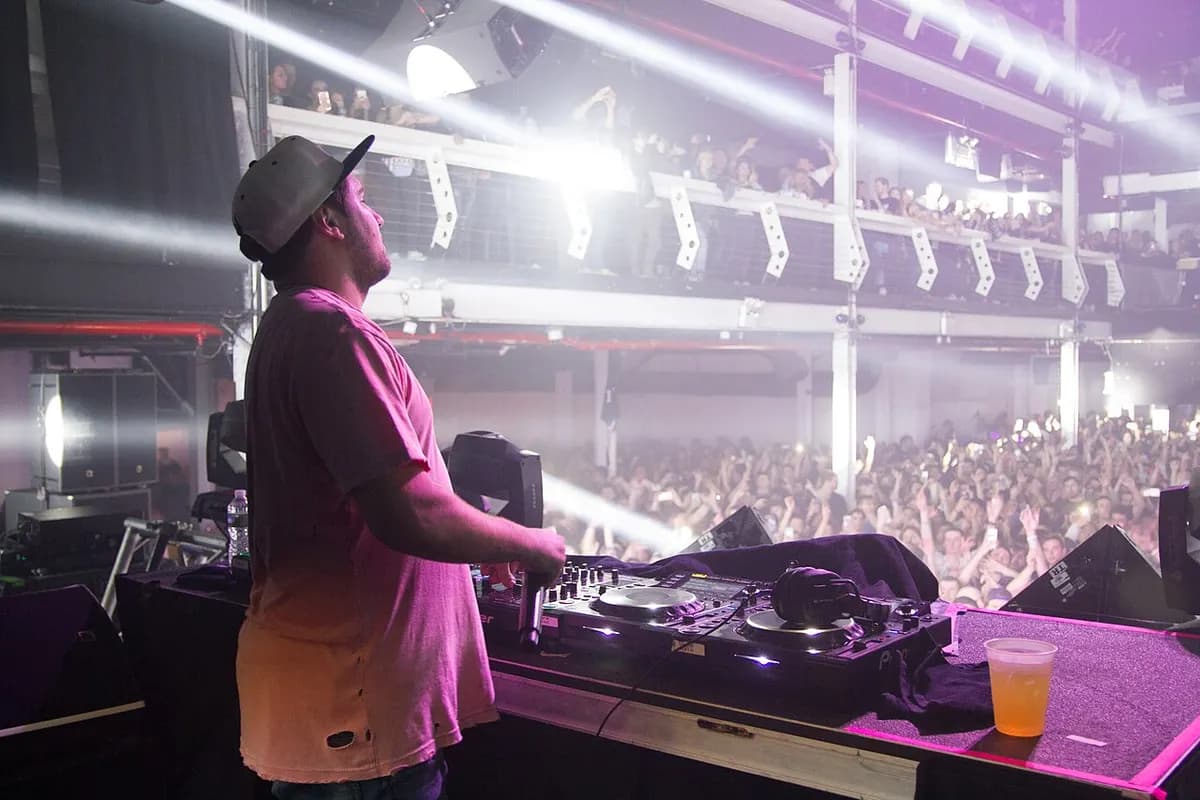
Bass house is house music in which the bass, not the chords or the vocal, is the lead instrument. The drums are recognisably house: a kick on every beat, claps on two and four, offbeat hats and shuffling percussion. But in the drop, the space is taken over by a thick, gritty bass sound (growling, wobbling, talking or squealing) that plays short rhythmic riffs between the kicks. Early bass house often filled the whole frequency spectrum with a single bass pattern; later records layer several bass sounds that swap in and out every bar.
The style sits at a crossroads. From UK bassline and speed garage it takes the idea of a dominant, modulated bass at house tempo. From electro house and the festival EDM of the early 2010s it takes the build-and-drop arrangement. Dubstep and riddim supplied the heavy distortion and the habit of designing a new bass patch for every drop. The result is music built for loud club and festival sets.
The boundaries are loose. Tracks filed as bass house can sound like a heavier future house, a rougher tech house or a four-on-the-floor version of dubstep, and many producers move between all of these within a single set.
History & Origins
The story starts in Britain. In the late 1990s, speed garage took the shuffling rhythms of UK garage and added huge, filtered, sometimes distorted basslines; Double 99's "RIP Groove" (1997) was one of its club anthems. In the 2000s, bassline (often called "bassline house" or "niche", after Sheffield's Niche nightclub) developed in northern England, with warbling, modulated basses and pitched vocals at around 135–140 BPM; T2's "Heartbroken" reached number two in the UK singles chart in late 2007. Both styles established the idea of house-tempo music led by the bass. Our UK garage guide covers that family in more depth.
In the early 2010s, UK producers such as the duo Jack Beats mixed these ideas with the electro house and dubstep sounds that were then dominating festivals, and a recognisable bass house style took shape. In the United States, the Los Angeles DJ and producer AC Slater started Night Bass as a club night in 2014 and turned it into a label in 2015; its first release, the EP This Is Night Bass Vol. 1, came out that June. The name became shorthand for the American, UK-influenced branch of the sound.
Bass house broke through on the American festival circuit in the mid-2010s, at the point when big room house had been the main-stage default for several years. Jauz, a Californian producer, released "Feel the Volume" on Mad Decent in 2014 and "Rock the Party" with Ephwurd in 2015, and played bass house alongside dubstep in the same sets; he founded his own label, Bite This, in November 2017. The French producers Habstrakt and Malaa and the British producers Joyryde and Chris Lorenzo released on labels such as Night Bass, Confession, Mad Decent and Dim Mak. In March 2019 Beatport added Bass House as a separate genre category, which gave the style its own chart and made the name stick.
In the 2020s bass house is a fixture of club and festival line-ups, especially in North America and the UK. Producers keep folding in UK garage revival rhythms and riddim-style sound design, and on festival main stages it often blurs into what is simply billed as "house".
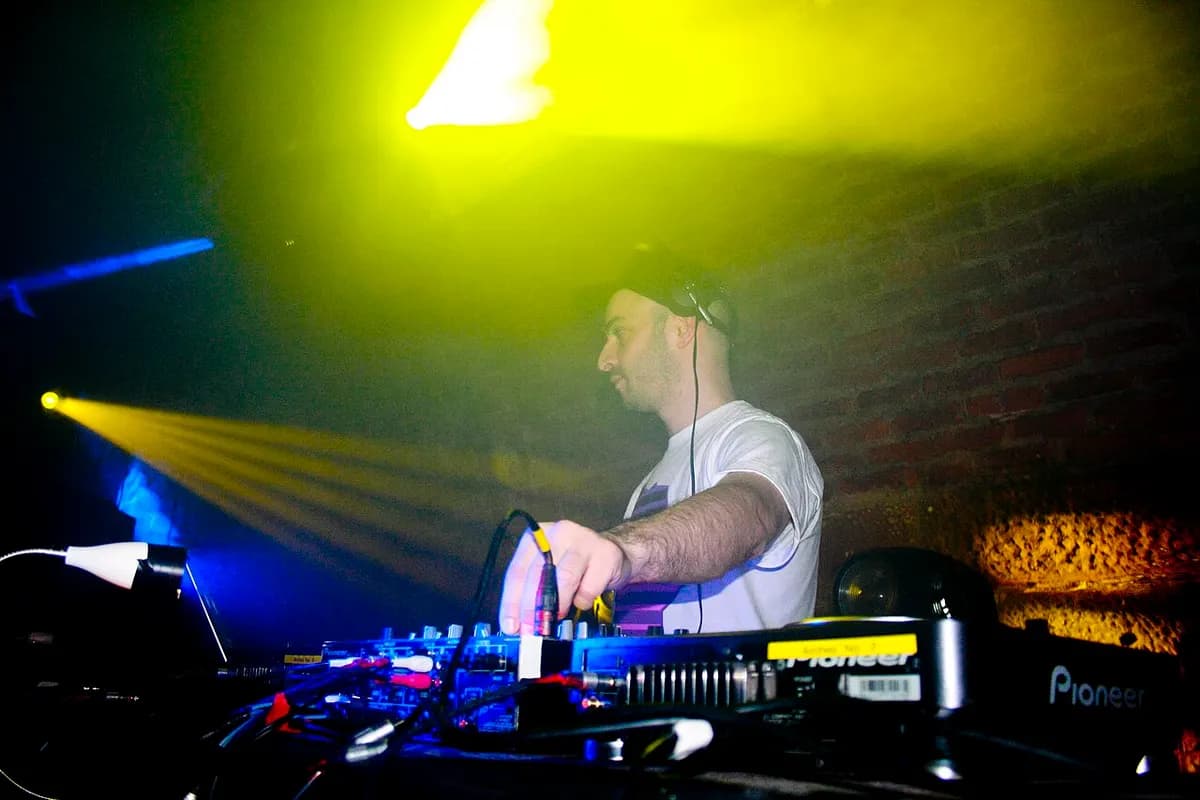
Key Characteristics & Sound
What identifies a bass house track:
- Tempo: usually 124–130 BPM, most often 126–128. Bassline itself runs faster, around 135–140 BPM.
- Distorted, modulated bass: growls, wobbles, "talking" formant basses and reese basses, often heavily distorted and resampled.
- Bass as the hook: the drop is built on short, rhythmic bass riffs; there is often no melodic lead at all.
- House drums with garage swing: four-on-the-floor kick, clap or snare on two and four, shuffling hats and shakers, sometimes garage-style syncopation.
- Vocal samples: short shouts, MC phrases, hip-hop and garage vocal chops, often pitched and processed.
- Build-and-drop arrangement: builds with risers and snare rolls, then a drop that strips back to kick and bass.
- Loud, dense mix: heavy saturation, side-chaining and limiting, designed for big sound systems.
How bass house compares with the styles around it:
| Trait | Bass House | Future House | Tech House | Bassline | Dubstep |
|---|---|---|---|---|---|
| Typical tempo | 124–130 BPM | 124–128 BPM | 124–128 BPM | 135–140 BPM | ~140 BPM (half-time feel) |
| Rhythm | Four-on-the-floor | Four-on-the-floor | Four-on-the-floor | Four-on-the-floor, garage swing | Half-time, snare on three |
| Bass | Distorted, growling, wobbling | Metallic, bouncy, cleaner | Rolling, groovy, subdued | Warbling, organ-like | Wobbles and heavy sub |
| Energy | High, aggressive | Medium-high, playful | Steady, groove-focused | High, upfront | Heavy, dramatic |
| Main setting | Festivals, bass clubs | Clubs, pop crossover | Clubs, long DJ sets | UK clubs | Bass events, festivals |
Production: How a Bass House Drop Is Built
Bass house is a sound-design genre, and its production habits are close to those of dubstep and riddim:
- Bass sound design: producers build basses in wavetable and FM synthesisers, then distort, filter and resample them repeatedly; formant filters make the bass "speak", and LFO-driven filters create wobbles.
- Call-and-response basses: two or more contrasting bass sounds alternate every beat or bar, so the drop feels like a conversation.
- Separate sub-bass: a clean sine-like sub sits under the distorted mid-range layers so the low end stays solid.
- Side-chain and transient control: the bass ducks under each kick; the kick itself is short and punchy so it cuts through.
- Vocal chops and shouts: short hip-hop or garage samples fill gaps between bass riffs.
- Fills and switch-ups: rapid changes of bass patch, drum fills and stops keep the energy high through a short drop.
Melody barely figures. Many bass house tracks use only one or two notes for the entire drop, and the variation comes from changing the timbre of the bass while the pitch stays put.
Scenes & Offshoots
- UK bassline: the northern English ancestor, faster and more vocal, still active alongside bass house.
- Night Bass: AC Slater's Los Angeles club night and label, and the name often used for the American, UK-influenced branch of the sound.
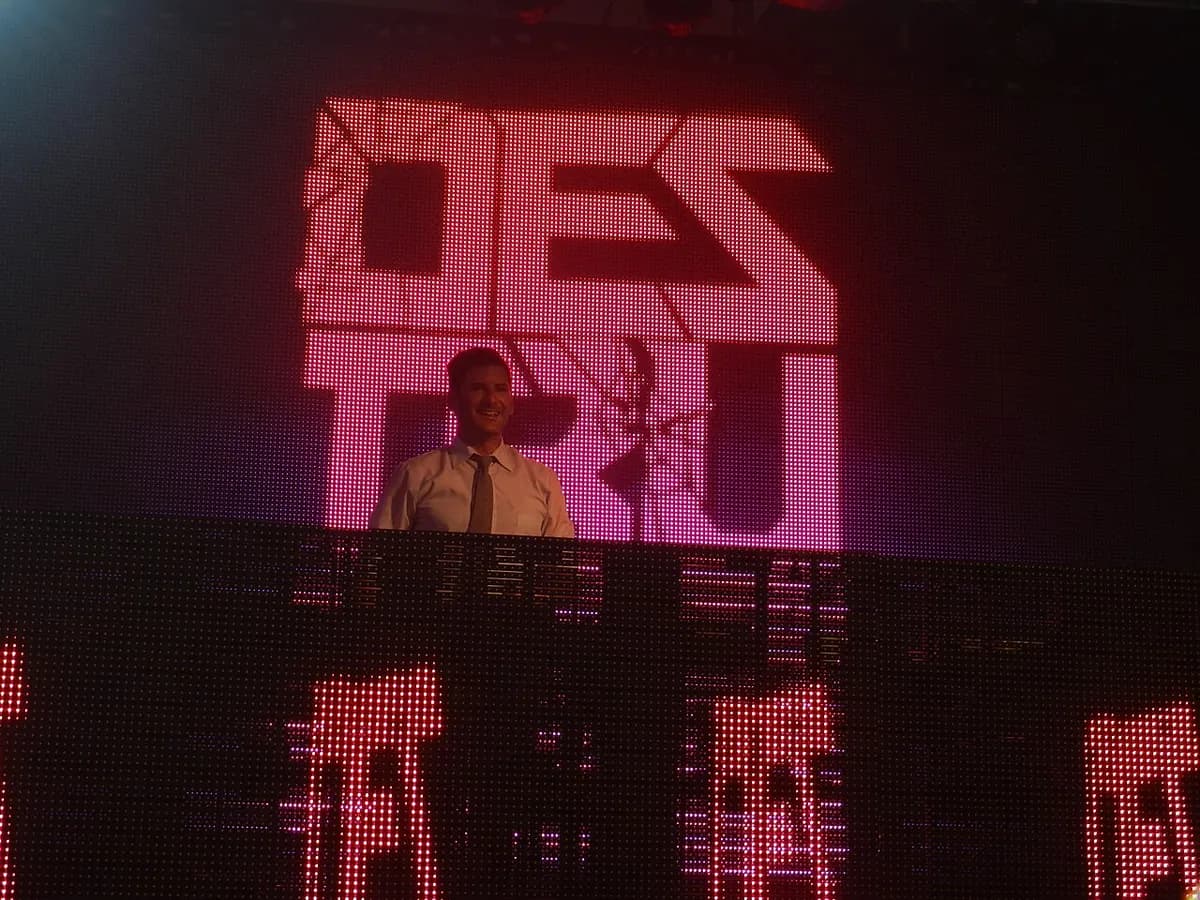
- G-house ("gangster house"): a darker, hip-hop-influenced variant with rap vocal samples and minimal, heavy grooves, associated with American producers such as Destructo.
- Festival bass house: the louder, more dubstep-influenced version played on main stages, often mixed with riddim and dubstep in the same set.
- Bass-heavy tech house: a crossover where the rolling groove of tech house meets bass house sound design.
- Future house: the cleaner, more melodic cousin from the same era.
Key Artists & Starting Points
A starting list of names associated with bass house and its roots:
| Artist | Origin | Associated with | Why it matters |
|---|---|---|---|
| Double 99 | UK | RIP Groove (1997) | Speed garage ancestor of the heavy house bass |
| T2 | UK | Heartbroken (2007) | Bassline crossover hit |
| Jack Beats | UK | Early 2010s bass-led house | Part of the UK groundwork for the style |
| AC Slater | USA | Night Bass | Built the American branch of the scene |
| Jauz | USA | Feel the Volume, Rock the Party (with Ephwurd), Bite This label | Took bass house to US festival main stages |
| Habstrakt, Malaa | France | Releases on Night Bass, Confession and others | Leading European names of the style |
| Joyryde, Chris Lorenzo | UK | Heavy club releases | British producers who shaped the 2010s sound |

Bass House vs Future House, Tech House and Dubstep
Against future house, the question is how hard the bass hits. Future house uses a bouncy, metallic, relatively clean bass that often carries a melody; bass house uses distorted, growling, aggressive basses that carry rhythm and texture. Future house crossed into pop; bass house stayed in clubs and festivals.
Against tech house, both share tempos and a four-on-the-floor groove, but tech house is about a rolling, hypnotic groove sustained over long DJ sets, with a subdued bass and lots of percussion detail. Bass house is louder, more dramatic and organised around builds and drops. Our deep house vs tech house article covers the groove-focused end of the family.
Against dubstep, the rhythm is the decisive difference. Dubstep runs at around 140 BPM with a half-time feel and the snare on the third beat; bass house keeps the kick on every beat at house tempo. The sound design can be almost identical. Our dubstep vs brostep vs riddim guide covers the half-time side.
Against UK garage and speed garage, bass house is a descendant: it keeps their bass-first attitude but swaps garage's swung, skippy rhythms and R&B vocals for straighter house drums and EDM-style drops.
How AI Detects Bass House
Bass house gives an audio model strong electronic dance signals: a steady four-on-the-floor kick at house tempo, dense mid-range energy and heavy side-chain pumping. The style-specific cue is the bass: loud, distorted, harmonically rich and constantly changing timbre, occupying frequencies that other house styles leave to chords and vocals.
Because that sound design is shared with dubstep and electro house, the model's reading is likely to depend on the rhythm: a half-time breakdown can pull it away from house altogether. Try the drop in the Genre AI music genre detector and compare it with the breakdown. For very short clips, see whether AI can identify a genre from a few seconds.
For an audio classifier such as Genre AI, bass house is likely to land in the Electronic Dance family. The production taxonomy has no bass house label, so the specific answer will be a neighbour. Heavily distorted, aggressive drops are the most likely to read as Electro, the fine label whose descriptions include electro house, the style bass house borrowed its festival drops from. Groovier, percussion-heavy sections may lean toward Tech House or House. Breakbeat / Drum & Bass is a plausible runner-up, especially for tracks with garage-style broken percussion: that label is also where the taxonomy files UK bass and bassline. Use a full drop for the clearest reading, and read the result as an answer to "which corner of house", since the model has no way to name the subgenre itself.